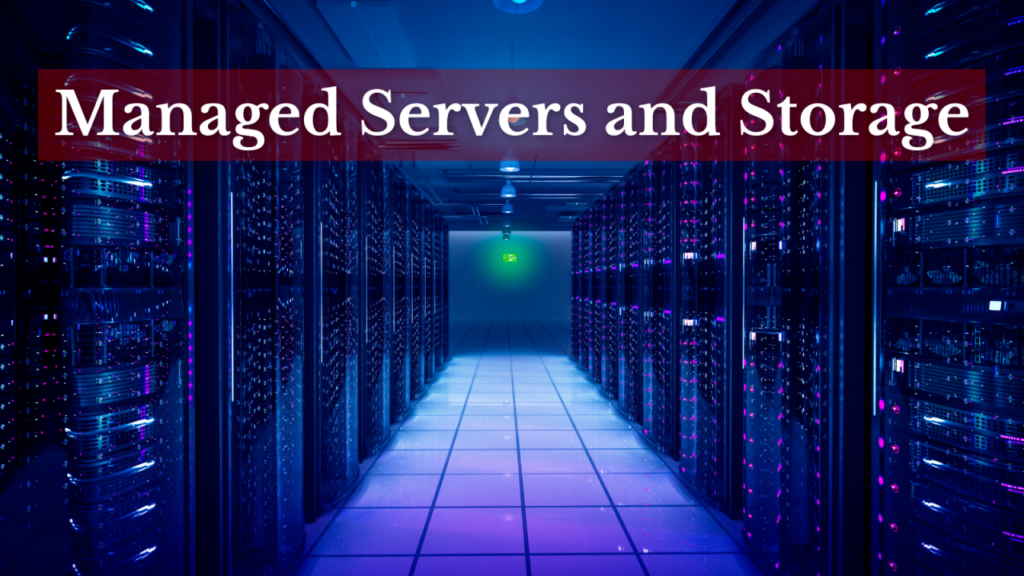
Managed Servers and Storage: Strengthening Business Infrastructure with Reliability and Security
In today’s technology-driven business environment, organizations depend heavily on stable and secure IT infrastructure. Servers and storage systems play a critical role in managing applications, storing sensitive data, and supporting daily business activities. Any downtime, performance issue, or data loss can directly affect productivity and customer trust. Managing such complex systems internally often requires skilled staff, continuous monitoring, and significant investment. This is why businesses are increasingly adopting Managed Servers and Storage services.
Managed Servers and Storage solutions allow organizations to transfer the responsibility of infrastructure management to experienced professionals. This approach helps businesses achieve high performance, improved security, and operational stability while reducing internal IT workload.
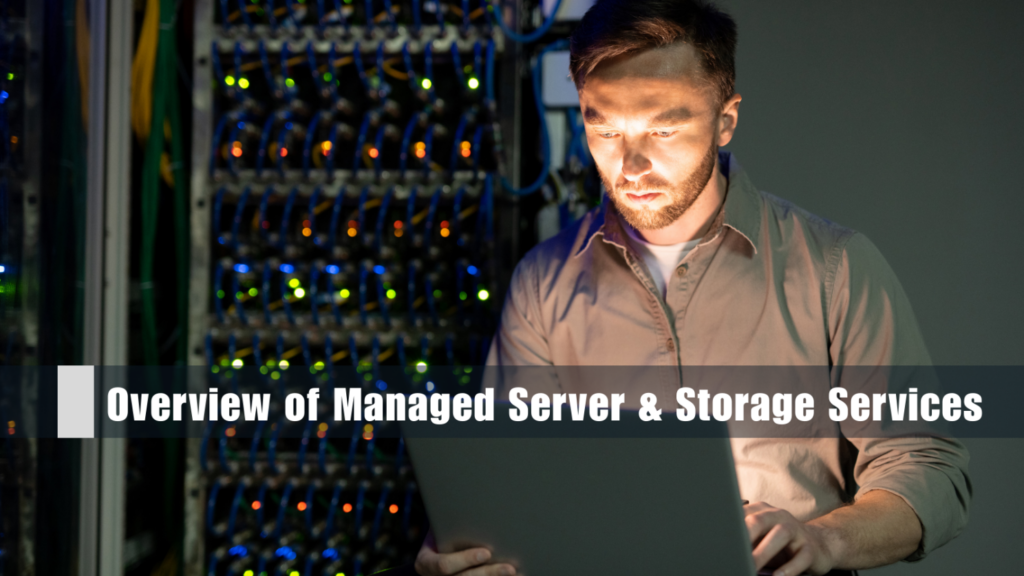
What Managed Servers and Storage Services Include
Managed Servers and Storage services provide complete, end-to-end management of an organization’s IT infrastructure, covering physical servers, virtual machines, and cloud-based environments. These services begin with proper server planning and deployment, where systems are designed and configured according to business needs. This includes operating system installation, network configuration, resource allocation, and integration with existing IT systems to ensure smooth and reliable performance from the start.
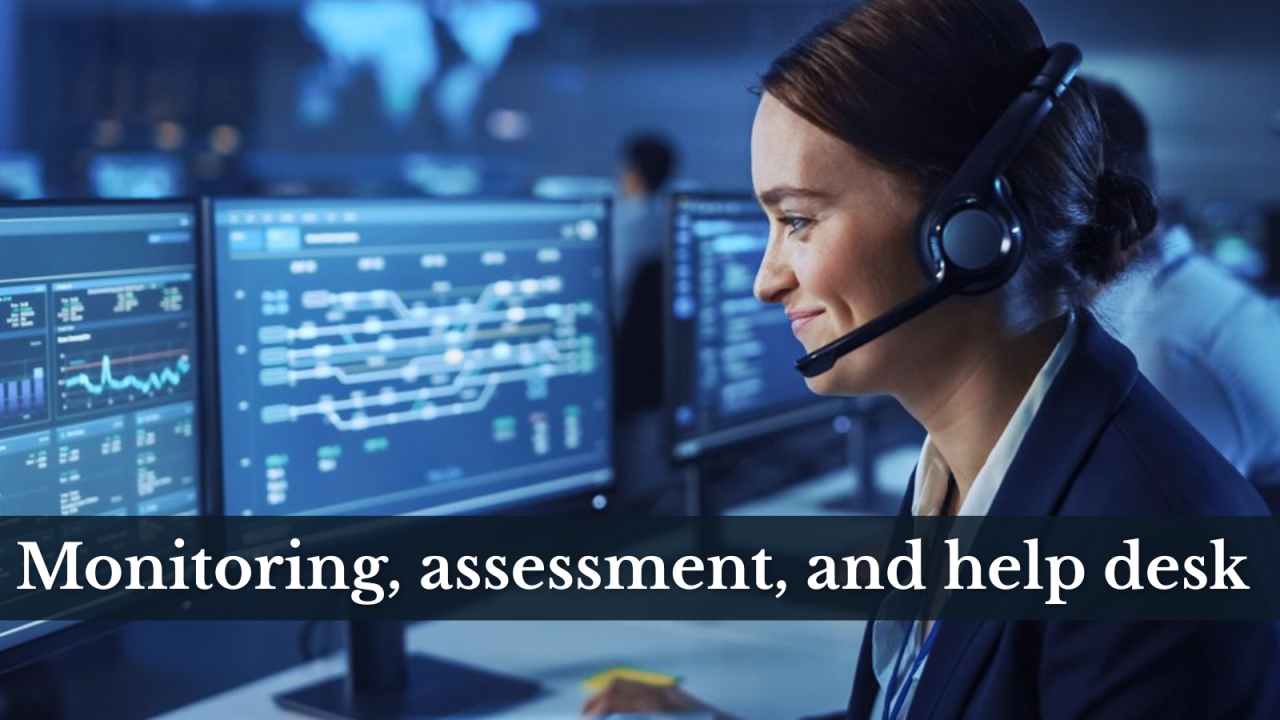
Once deployed, servers are continuously monitored to track performance, availability, and system health. Proactive monitoring helps identify potential issues such as high resource usage, system errors, or security risks before they affect business operations. Performance optimization ensures that servers run efficiently, applications respond quickly, and workloads are balanced effectively. Regular software updates and security patching are also part of managed services, helping protect systems from vulnerabilities and ensuring compliance with industry standards.
On the storage side, Managed Services focus on organizing and managing business data in a structured and secure manner. This includes storage provisioning, access management, and data classification to ensure information is easily accessible to authorized users while remaining protected from unauthorized access. Regular automated backups are performed to prevent data loss, and data recovery plans are established to restore information quickly in case of system failure or accidental deletion.
In addition, effective disaster recovery planning is a critical component of managed storage services. Data replication, off-site backups, and recovery testing ensure businesses can resume operations quickly after cyberattacks, hardware failures, or natural disasters. With professional management in place, organizations gain 24/7 access to their data along with peace of mind, knowing their servers and storage systems are secure, resilient, and always optimized for business continuity.
Advantages of Choosing Managed Servers and Storage
Managed Servers and Storage services offer a wide range of advantages that help businesses operate more efficiently and securely in today’s digital environment. By outsourcing server and storage management to experienced professionals, organizations can reduce technical complexity, improve system performance, and ensure their IT infrastructure remains reliable at all times. These benefits not only strengthen daily operations but also support long-term growth, cost control, and business continuity.
- High Availability and System Reliability Continuous monitoring ensures early detection of issues, minimizing downtime and keeping business systems running smoothly.
- Proactive Monitoring and Issue Resolution Potential performance and system problems are addressed before they affect daily operations.
- Enhanced Security and Data Protection Advanced security measures such as firewalls, access control, encryption, and regular updates protect systems from cyber threats and data breaches.
- Improved Data Safety and Regulatory Compliance Strong security practices help safeguard sensitive information and support compliance with industry standards.
- Scalable Infrastructure for Business Growth Server and storage resources can be scaled easily to meet changing business demands without large hardware investments.
- Cost Control and Predictable IT Spending Fixed service models reduce capital expenses and help businesses manage IT budgets effectively.
- Reduced Operational Burden on Internal Teams Expert management of servers and storage allows internal IT teams to focus on strategic initiatives.
- Greater Focus on Core Business Objectives With infrastructure management handled professionally, organizations can prioritize innovation, growth, and customer experience.

Supporting Digital Transformation and Business Continuity
Managed Servers and Storage services play a crucial role in helping businesses adopt modern technologies and move toward digital transformation. As organizations migrate to cloud platforms, enable remote and hybrid work models, and rely more on digital tools, a strong and well-managed IT infrastructure becomes essential. With professionally managed servers and storage, businesses experience faster system performance, smooth application operation, and secure access to data from any location. This allows employees to work efficiently without interruptions, regardless of where they are based.
In addition, managed infrastructure ensures that applications and business systems remain available at all times. Continuous monitoring and performance optimization help prevent slowdowns and technical failures, supporting consistent productivity and better user experiences. Secure access controls and data protection measures further ensure that sensitive business information remains safe while being easily accessible to authorized users.
Managed Servers and Storage services also play a vital role in maintaining business continuity. Regular automated backups, data replication, and well-planned disaster recovery strategies ensure that critical information is never lost. In the event of system failures, cyberattacks, hardware issues, or natural disasters, organizations can restore operations quickly and minimize downtime. This level of preparedness helps businesses stay resilient, protect their reputation, and continue operations even during unexpected disruptions.

Conclusion
In conclusion, Managed Servers and Storage services have become a strategic necessity for businesses operating in a digital-first environment. As IT infrastructures continue to grow in complexity, relying on expert management ensures systems remain stable, secure, and highly available at all times. These services not only reduce operational risks and downtime but also provide businesses with the flexibility to scale resources according to changing demands.
By outsourcing server and storage management, organizations can shift their focus from routine technical maintenance to innovation, customer satisfaction, and long-term business goals. With proactive monitoring, advanced security measures, and reliable data protection strategies, Managed Servers and Storage solutions help businesses maintain continuity, protect critical information, and stay competitive. Partnering with a trusted managed service provider ultimately enables organizations to build a resilient IT foundation that supports sustainable growth and future-ready digital transformation.
• Visit Us: 🌐 www.inventivtechnology.com | 💻 https://inventivstudio.com/
• Email Us on: [email protected]
#ManagedServers #ManagedStorage #ITInfrastructure #ServerManagement #StorageSolutions #CloudServices #BusinessContinuity #DigitalTransformation #DataSecurity #CyberSecurity #ScalableIT #EnterpriseIT #CloudMigration #DisasterRecovery #DataProtection #ITServices #ManagedIT #InfrastructureManagement #SecureIT #BusinessTechnology