

Network & Endpoint Security (Volume II)
Understanding the Digital Perimeter
The modern digital perimeter has evolved far beyond the physical walls of a traditional office. Today, our data lives in the cloud, and our employees connect from homes, coffee shops, and mobile locations across the globe. This shift means that the old model of a single, hardened boundary is no longer sufficient for comprehensive protection.
To maintain a strong defense, we must integrate network and endpoint security into a unified strategy. By understanding these two pillars, we can better secure our assets against sophisticated threats that target both the pathways and the devices themselves.
Defining Network Security
Network security is the practice of protecting the underlying infrastructure that allows data to flow between systems. It acts as the digital gatekeeper, monitoring traffic to ensure that only authorized communications pass through our systems. This layer includes firewalls, virtual private networks, and intrusion detection systems designed to block malicious actors.
By focusing on the network, we create a perimeter that guards the environment where our applications and databases reside. It is essential for maintaining the integrity of our internal communications and preventing unauthorized access to our core resources.
Defining Endpoint Security
Endpoint security focuses specifically on the individual devices that connect to our network. Whether it is a laptop, a smartphone, or a server, each device serves as a potential entry point for attackers. We must ensure that every endpoint is equipped with advanced protection to stop malware and unauthorized access at the source.
Effective network and endpoint security requires us to manage these devices proactively. By securing the hardware, we prevent compromised devices from becoming a gateway into our broader infrastructure.
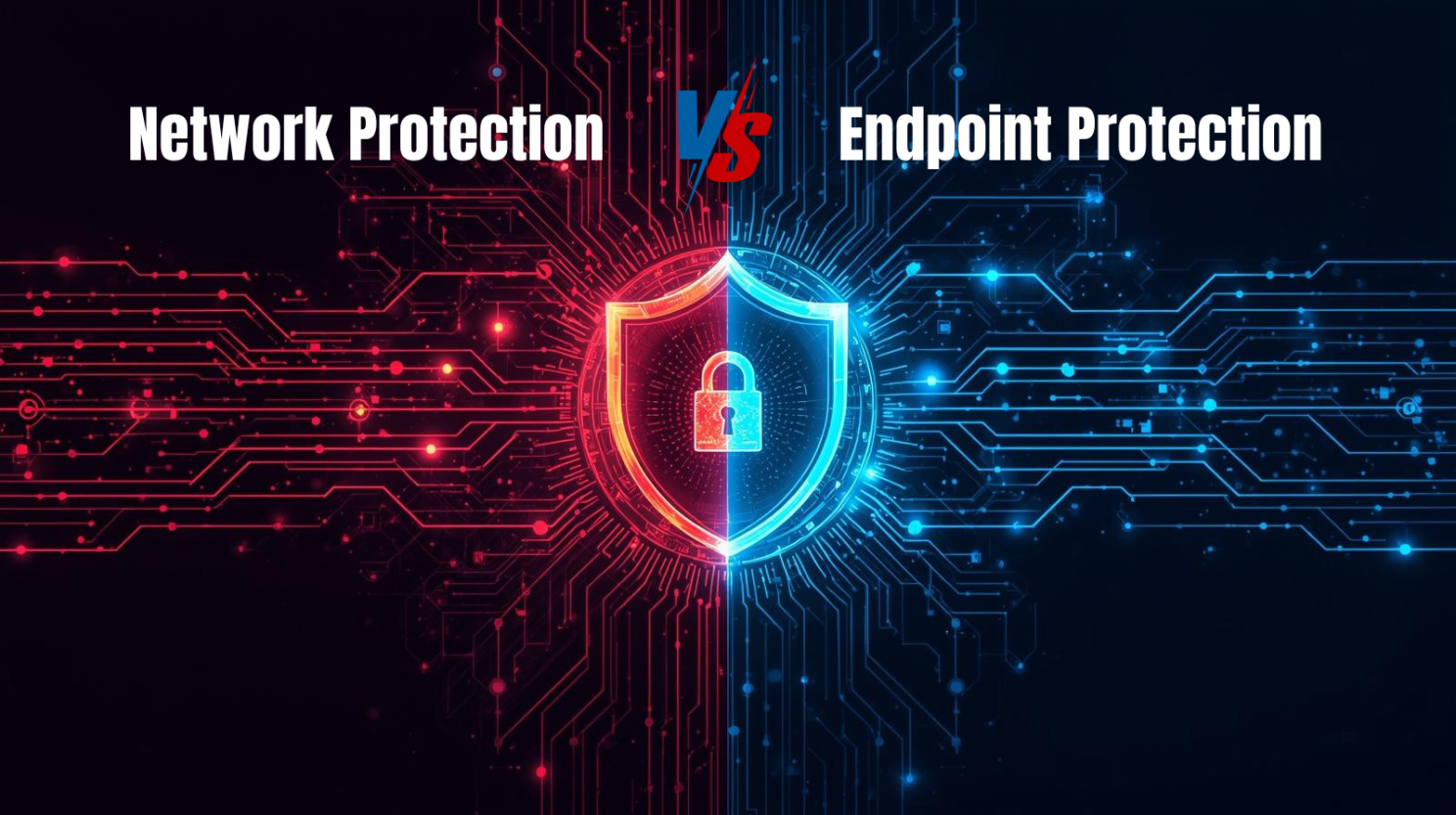
The Core Differences Between Network and Endpoint Protection
While Network and Endpoint Security are often mentioned together, they serve distinct roles in a comprehensive defense strategy. Understanding these differences is vital for any organization looking to harden its digital infrastructure against modern threats.
Focusing on Traffic vs. Focusing on Devices
Network security acts as the perimeter guard for your entire digital environment. It monitors the flow of data moving into and out of your systems, acting like a filter for incoming and outgoing traffic.
In contrast, endpoint security focuses on the individual devices that connect to your network. This includes laptops, mobile phones, and servers that employees use daily. Securing these endpoints is essential because they often serve as the primary entry point for attackers.
While network tools look for suspicious patterns in data packets, endpoint solutions look for malicious activity directly on the hardware. This dual approach ensures that threats are caught whether they are traveling across the wire or executing on a local machine.
How They Work Together in a Unified Strategy
Relying on only one of these methods leaves significant gaps in your defense. A unified strategy combines both approaches to create a layered security model that is much harder to breach.
When you integrate Network and Endpoint Security, you gain visibility into both the macro and micro levels of your environment. This synergy allows security teams to correlate alerts from the network with specific actions taken on a device.
For example, if a network firewall detects an unusual spike in traffic, the endpoint solution can verify if a specific laptop is the source of that activity. Closing these security gaps is the most effective way to prevent data breaches and maintain operational integrity.
Common Cyber Threats Targeting Modern Businesses
Protecting an organization requires a deep understanding of the diverse threats targeting both infrastructure and individual hardware. As digital transformation accelerates, the necessity for robust Network and Endpoint Security has never been more critical. Malicious actors continuously adapt their methods to exploit vulnerabilities in corporate environments.
The Rise of Sophisticated Malware
Modern malware has evolved far beyond simple viruses that merely disrupt system performance. Today, attackers deploy polymorphic code that changes its signature to evade traditional detection tools. This sophisticated approach allows malicious software to persist within a system for extended periods without triggering alerts.
Ransomware remains a primary concern for IT departments globally. By encrypting vital data, these programs hold business operations hostage until a ransom is paid. Maintaining strong Network and Endpoint Security is the only way to mitigate the risk of such devastating financial and operational losses.
Phishing Attacks and Social Engineering
Human error remains the weakest link in any security chain. Phishing attacks use deceptive emails and messages to trick employees into revealing sensitive information or downloading malicious attachments. These social engineering tactics are becoming increasingly personalized, making them harder to identify.
Attackers often impersonate trusted executives or vendors to gain immediate compliance from staff. Once a single device is compromised, the threat can quickly spread across the entire network. Training programs are essential, but they must be paired with technical controls to ensure comprehensive Network and Endpoint Security.
Unauthorized Access and Credential Theft
Credential theft occurs when hackers obtain usernames and passwords through data breaches or brute-force attacks. Once they possess valid credentials, intruders can move laterally through a system undetected. This unauthorized access often leads to massive data exfiltration and long-term damage to brand reputation.
Organizations must prioritize identity management to prevent these breaches. By limiting access rights and monitoring for suspicious login patterns, businesses can better protect their assets. A proactive approach to Network and Endpoint Security ensures that even if one credential is stolen, the overall impact remains contained.

Future Trends in Cybersecurity Defense
Future-proofing your digital infrastructure requires a fundamental change in how we perceive trust. Traditional models often relied on the idea that everything inside a corporate perimeter was safe. Today, Network and Endpoint Security must evolve to address a reality where threats can originate from anywhere.
The Move Toward Zero Trust Architecture
The industry is rapidly shifting toward a Zero Trust framework. This model operates on the core principle of never trust, always verify. Instead of assuming that internal traffic is inherently secure, organizations now treat every access request as a potential risk.
By assuming a breach has already occurred, security teams can implement more granular controls. This approach ensures that users and devices only access the specific resources they need to perform their jobs. Zero Trust effectively limits the potential damage if a single account or device becomes compromised.
Adapting to Evolving Cloud Security Needs
As businesses migrate more operations to the cloud, the traditional perimeter has effectively dissolved. Protecting data in these environments requires a shift toward identity-centric defense strategies. Network and Endpoint Security must now extend far beyond the physical office walls to cover distributed cloud assets.
Modern cloud security relies on visibility and automated policy enforcement. Organizations should prioritize the following strategies to maintain a strong posture:
• Implementing continuous monitoring for all cloud-based workloads.
• Utilizing automated tools to detect and isolate anomalous behavior in real-time.
• Ensuring that Network and Endpoint Security protocols are consistent across hybrid and multi-cloud environments.
Adapting to these changes is not just a technical upgrade; it is a strategic necessity. Companies that embrace these future trends will be better prepared to defend against the sophisticated attacks of tomorrow. Proactive adaptation remains the most effective way to safeguard sensitive information in an increasingly connected world.

Conclusion
Building a resilient defense requires a deep commitment to protecting every layer of your business. Integrating Network and Endpoint Security creates a unified shield against modern cyber threats. This holistic approach ensures that your data remains safe while your team works from any location.
Success depends on consistent monitoring and proactive software updates. Regular employee training turns your staff into a strong line of defense against phishing and social engineering. These habits build a culture of safety that protects your assets over the long term.
Managing complex digital environments can feel overwhelming for growing organizations.Inventiv Cybersafeprovides the specialized support needed to secure your digital infrastructure effectively. Their team helps you implement the right Network and Endpoint Security protocols to keep your operations running smoothly.
Reach out toInventiv Cybersafetoday to assess your current defenses. Taking action now prevents costly breaches and keeps your business ahead of evolving risks. Your commitment to security today defines the stability of your company tomorrow.
• Visit Us: 🌐www.inventivtechnology.com| 💻https://inventivstudio.com/
• Email Us on:info@inventivtechnology.com
#NetworkSecurity #EndpointSecurity #CyberSecurity #InformationSecurity #ITSecurity #DataProtection #CyberDefense #ThreatProtection #FirewallSecurity #AntivirusProtection #MalwareProtection #PhishingAwareness #RansomwareProtection #ZeroTrustSecurity #AccessControl #SecurityAwareness #DigitalSecurity #CloudSecurity #EnterpriseSecurity #SecureEndpoints #CyberThreats #RiskManagement #DataSafety #BusinessSecurity #TechSecurity #SecurityBestPractices #ITInfrastructure #SecureNetwork #CyberResilience
