

Mastering Social Media Marketing: Your Business Guide to Digital Success
Mastering Social Media Marketing & Advertising Strategies: Your Business Guide to Digital Success
How to transform your social media presence from scattered posts to strategic profit drivers
Your Business Social Media Reality Check
Picture this: You’re a small business owner juggling inventory, customer service, payroll, and somehow finding time to post on Instagram. Sound familiar? You’re not alone. Research shows that 71% of small businesses struggle with consistent social media marketing, yet those who master it see an average revenue increase of 23%.
The challenge isn’t just finding time; it’s understanding how to make every post, every dollar spent on ads, and every interaction count toward your bottom line. That’s where strategic social media marketing transforms from a time-consuming chore into your most powerful growth engine.
Understanding the Social Media Marketing Ecosystem
Think of social media marketing like running a neighborhood coffee shop. You wouldn’t just open your doors and hope people wander in—you’d create an atmosphere, build relationships with regulars, and let the aroma draw people from the street. Social media works the same way, but instead of coffee beans, you’re using content, engagement, and targeted advertising to attract your ideal customers.
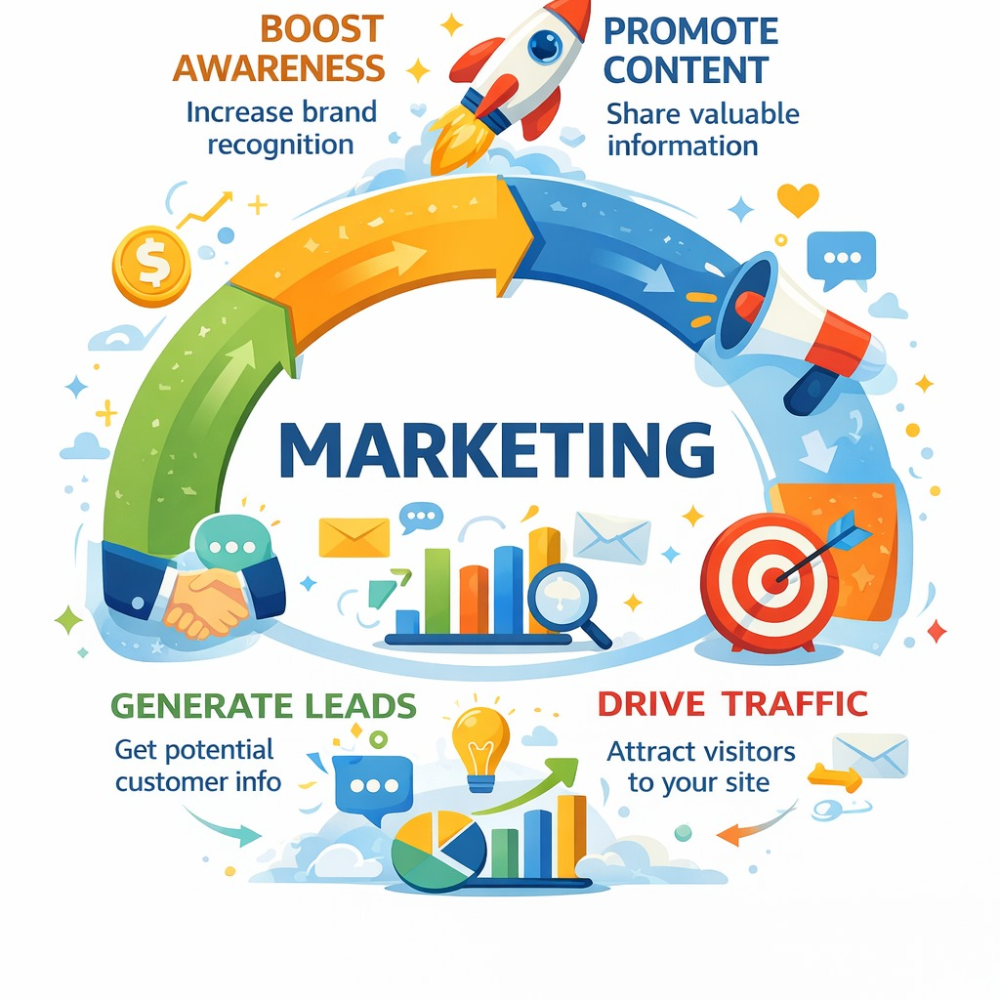
The ecosystem consists of three interconnected layers. First, there’s organic content creation, which builds your brand’s personality and keeps your audience engaged without direct advertising costs. Second, community management involves responding to comments, messages, and reviews to build trust and loyalty. Third, paid advertising amplifies your reach to find new customers who match your ideal buyer profile.
The Foundation: Choosing Your Platforms Strategically
Not all social media platforms serve the same purpose, and trying to be everywhere at once is like trying to have meaningful conversations at ten parties simultaneously—you’ll exhaust yourself without making real connections anywhere.
Start by understanding where your customers naturally spend their time. If you’re targeting busy professionals, LinkedIn and Facebook might be your goldmines. For visual businesses like restaurants, retail, or fitness, Instagram and TikTok could drive more engagement. Business-to-business service providers often find their sweet spot on LinkedIn, where decision-makers actively seek solutions.
Here’s how to think about platform selection: imagine your ideal customer’s typical day. When do they scroll social media? During their morning coffee (perfect for Facebook), lunch break (ideal for LinkedIn), or evening wind-down (Instagram’s prime time)? Match your platform strategy to these natural behaviors.
Content Strategy: From Random Posts to Revenue Drivers
Effective social media content follows what I call the “Value-First Formula.” For every piece of content you create, ask yourself, “What’s in it for my audience?” This shifts your mindset from broadcasting what you want to say to delivering what your audience needs to hear.
The most successful small businesses follow a content mix that balances education, entertainment, and promotion. Think of it as hosting a dinner party; you wouldn’t spend the entire evening talking about yourself. Instead, you’d share interesting stories, ask engaging questions, and occasionally mention your business when it naturally fits the conversation.
Educational content positions you as the expert in your field. Share tips, answer common questions, and solve problems your customers face daily. Entertainment content shows your brand’s personality and keeps people coming back for more. Promotional content, used sparingly, directly showcases your products or services when your audience is already engaged and trusting your expertise.

The Art and Science of Social Media Advertising
Organic reach on social platforms has declined significantly over the past few years—think of it like trying to be heard in an increasingly crowded room. Paid advertising is your megaphone, but only if you use it strategically.
The beauty of social media advertising lies in its precision targeting capabilities. Unlike traditional advertising, where you’re casting a wide net and hoping for the best, social media platforms know incredibly detailed information about their users’ interests, behaviors, and purchasing patterns.
Start with clear objectives for each campaign. Are you trying to increase brand awareness among potential customers who’ve never heard of you? Drive traffic to a specific product page? Generate leads for your service business? Each goal requires different ad formats, targeting strategies, and success metrics.
Building Your Customer Avatar: The Secret to Targeted Success
Before you create a single post or launch your first ad, you need to understand your ideal customer so well that you can pick them out of a crowd. This isn’t about basic demographics like age and location; it’s about understanding their daily challenges, aspirations, and the language they use to describe their problems.
Create detailed customer personas by interviewing your best existing customers. What social media platforms do they use? What type of content do they engage with? What pain points led them to seek out your solution? When do they typically make purchasing decisions?
This deep understanding transforms your marketing from generic messages that appeal to everyone (and therefore no one) into laser-focused communication that makes your ideal customers think, “This business understands exactly what I need.”
Measuring Success: Beyond Vanity Metrics
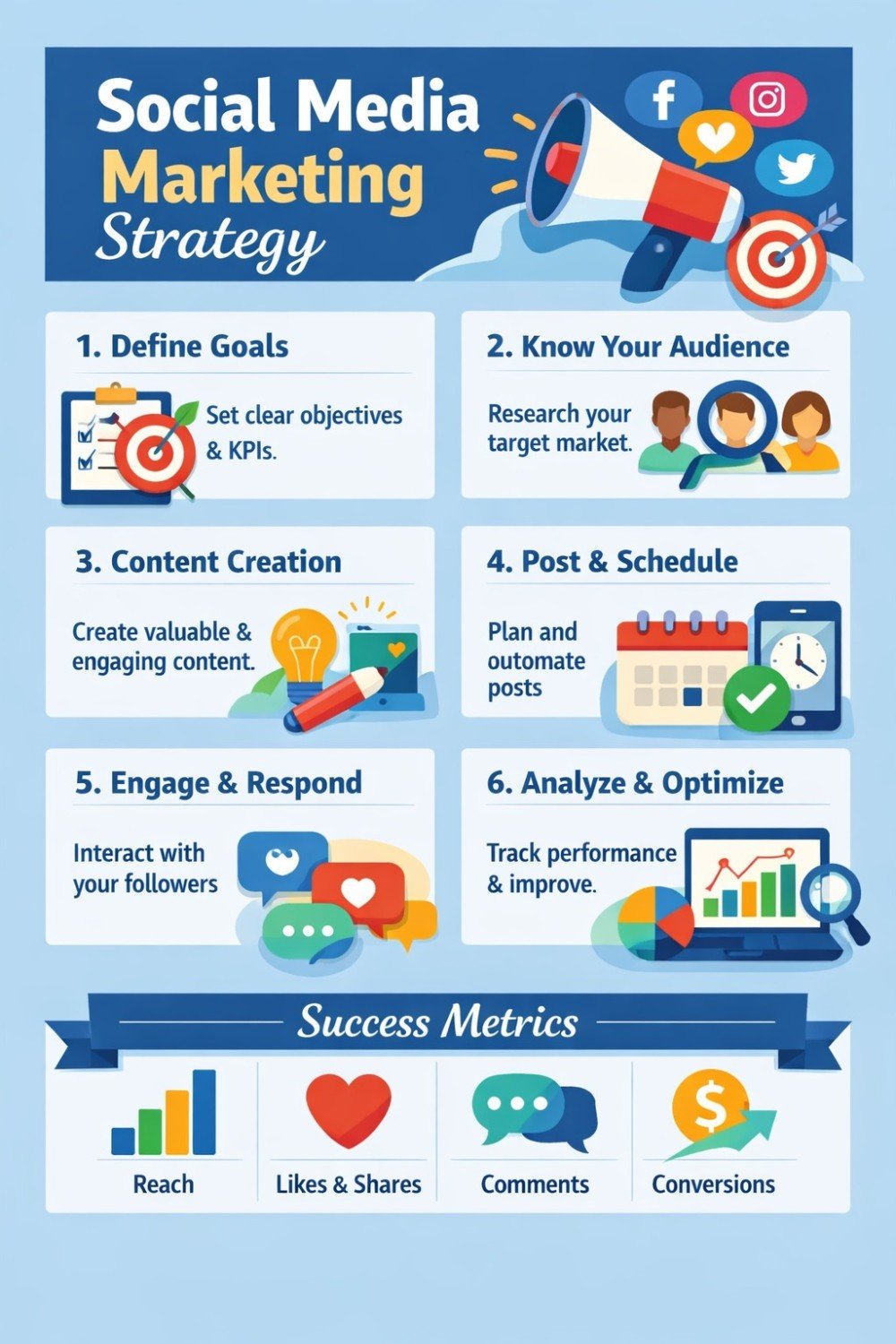
Likes and follows feel good, but they don’t pay the bills. Smart social media marketing focuses on metrics that directly correlate with business growth. Think of social media analytics like your business’s vital signs—they tell you what’s healthy and what needs attention.
Track engagement rates to understand how well your content resonates with your audience. Monitor website traffic from social media to see which platforms drive the most qualified visitors. Most importantly, measure conversions—how many social media interactions turn into actual customers or leads.
Set up conversion tracking from the beginning so you can identify which posts, ads, and strategies generate real revenue. This data becomes invaluable for optimizing your future efforts and allocating your marketing budget where it delivers the highest return.
Common Pitfalls and How to Avoid Them
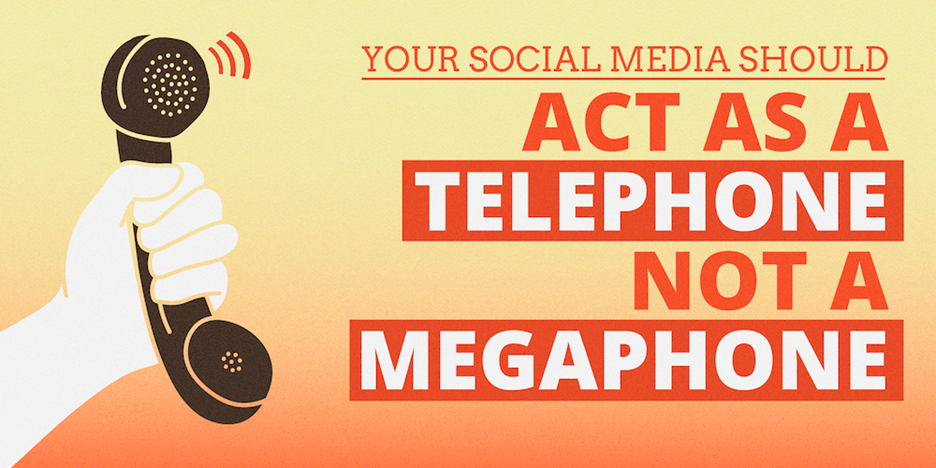
The biggest mistake small businesses make is treating social media like a megaphone instead of a telephone. Social media is inherently social—it’s about building relationships, not just broadcasting messages. Respond to comments, engage with your followers’ content, and participate in conversations within your industry.
Another common trap is inconsistency. Posting sporadically or abandoning your social media presence for weeks sends the wrong message to potential customers. Would you trust a business that seemed to randomly appear and disappear? Create a sustainable posting schedule you can maintain long-term, even if it means posting less frequently but more consistently.
Your Action Plan: Getting Started Today
Begin with one platform where your ideal customers are most active. Master that single platform before expanding to others. This focused approach allows you to build genuine expertise and see real results rather than spreading yourself too thin across multiple platforms.
Create a content calendar for the next month, mixing educational, entertaining, and promotional content. Start with simple formats—photos with captions, short videos, or industry insights—and gradually experiment with more complex content as you build confidence and see what resonates with your audience.
Set aside a specific budget for social media advertising, even if it’s just fifty dollars to start. Use this budget to boost your best-performing organic posts to reach more people similar to your existing followers. As you learn what works, you can increase your investment and try more sophisticated advertising strategies.
Remember, social media marketing isn’t about perfection—it’s about connection. Your audience wants to see the real people behind your business, your expertise in action, and how you can solve their problems. Start where you are, use what you have, and refine your approach based on real results.
Social Media Marketing vs. Social Media Advertising: What’s the Difference?
If you’re wondering what’s the differencebetweensocial media marketing and media advertising,it’s okay to admit it. The distinction can be a bit confusing, especially if you’re new to social media or digital marketing. They’re sometimes used interchangeably, but there is, in fact, a difference between social media marketing and social media advertising. We’ll explain it further so you’ll know how to incorporate both into your overarching digital marketing goals.
What is Social Media Marketing?
Social media marketing is any social media action you take that is unpaid. If you’re posting about your blogs, sharing information with your followers, or commenting on social media platforms, like Facebook, Instagram, or LinkedIn, this is considered marketing.
In today’s world,social media marketingis a crucial facet of any digital marketing strategy. It encompasses your business’s online profiles on social media platforms, along with the social media activity and presence of those platforms, including posting, liking, commenting, sharing, and so on.
How to Use Social Media Marketing
Social media marketing begins with creating company pages or profiles on relevant social networks. The networks that you choose will depend on your industry. For example, B2Bs will likely find LinkedIn to be the most pertinent network since they’re marketing to other business professionals. At the same time, home builders and developers might make use of platforms like Pinterest, Houzz, and Instagram to show off images of their homes and properties.
Social media marketing efforts don’t end with just a page or profile. To effectively market using social media,interactionandengagementare essential. You need to interact with others on the platform by liking, commenting on, and sharing their content and by posting and sharing your own original content. This will drive engagement when others interact with your content by liking, commenting, sharing, and clicking.
What Should You Share and Post During Your Social Media Marketing?
The best type of content to share and post during your social media marketing efforts will depend on your specific platform and industry. Industrial manufacturers may not have much luck posting photos of their products on Instagram. (Think about this: Are the insides of factories usually very aesthetically pleasing?) No.They’ll most likely have more success posting content on Facebook about their processes, client success stories, sharing their blog content, sharing relevant articles or news from industry publications, and posting infographics on LinkedIn.

Social Media Platforms for Marketing
Each social media platform is better at something than the other. It’s important to utilize each forum in a specific way.
Twitter – Twitteris great for sharing links, but tweets are limited to 280 characters, so it’s not the place for long-form content.
Instagram – Instagramis designed for sharing images. While you can use an image to promote a piece of content, you can’t link from a post directly. You have to include the link in your bio or the post.
Facebook – Personalized contentyour audience can interact with performs the best on Facebook. Think along the lines of user-generated content, behind-the-scenes content, industry-related news, videos, a story, etc.
LinkedIn – Blog poststypically perform the best on LinkedIn. Also, LinkedIn statuses can be up to 700 characters long on company page posts and 1,300 characters for statuses on individual accounts, so you can conveniently post original content directly on your page.
sWhy Do We Need Social Media Marketing?
One of the major principles of inbound marketing is bringing your ideal customers to you. Since your ideal customers are using social media (pretty much everyone is), having a social media presence is a necessity if you want to draw in potential customers.
To continue, social media helps create a community around your company. Creating a community through social media marketing has significant benefits, likebuilding brand awarenessand helping establish your industry reputation as an authority in your field. Also, it can establish your company as enjoyable to interact with and become a favorite in people’s minds, converting people to customers when they need your company’s products or services.
What is Social Media Advertising?
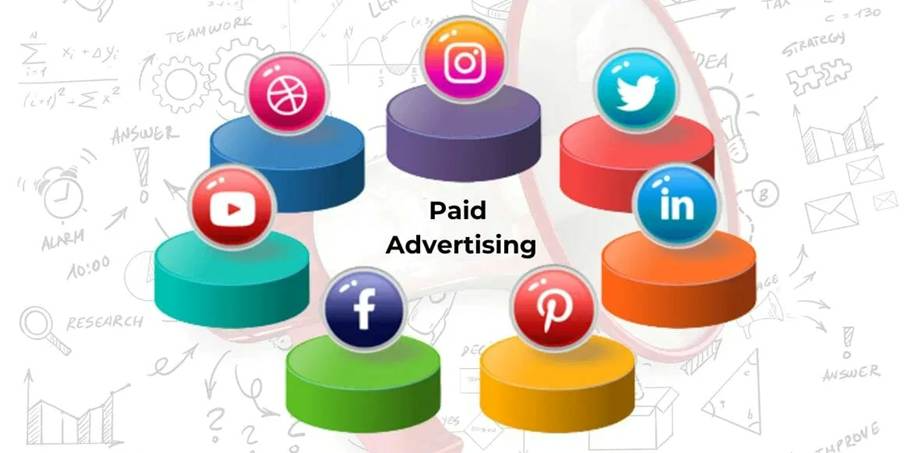
Social media advertising (also known as paid social) involves running paid ads on various social media channels instead of unpaid, organic posts. These can include banner ads and native ads, and activities like boosting posts or likecampaigns.Social media ads are often charged on a pay-per-click (PPC) or cost-per-impression basis.
SHow to Use Advertising on Social Media
You canuse paid socialto promote content or an offer your company or marketing agency has created. You can develop an ad around what you’re offering orboost the postswhere you share original content. This increases the reach of your content, which can lead to more website traffic and conversions of visitors to leads.
What Should You Share and Post During Your Social Media Advertising?
There’s an array of things that you can promote in your social media ads. You could promote a how-to guide, your running promotion, general information about your brand, consultation services, and more. No matter what your ad is promoting, it should always include a clearly defined goal, an eye-catching image or video, a call to action, and a link to your website or a relevant landing page.

Social Media Platforms for Advertising
Like with marketing, each social media platform uses advertising in its own way. You can use each social media platform to perform an array of advertisements.
Twitter – Twitteruses Promoted Ads, Follower Ads, and Trend Takeover. With effective ad formats and targeting tools, Twitter helps you build awareness and drive conversions.
Instagram – Advertisements on Instagramcan only be used with business profiles (not personal accounts). Instagram ads use the same targeting algorithms as Facebook, which are probably the most elaborate targeting tools you can find in marketing today.
Facebook – Facebook adsplay a role in your overall digital marketing by increasing awareness for your brand, attracting leads, and sometimes even converting users into customers. You’ll create an ad objective, select your target audience, set your budget, and monitor your ad’s performance.
LinkedIn – LinkedIn adsattract followers by getting your updates in front of more people. You’ll build ad campaigns around specific business goals and work through all three sales funnel stages, from awareness to conversion.
Why Should You Do Paid Social?
Regular posts on social media don’t have a ton of reach on their own and aren’t likely to get a lot of organic engagement.Paid socialallows you to target specific audiences. Depending on the platform, you can target audiences by location, age, gender, search history, interests and activities, device use, and even employer or job title.
Since you’re paying by the number of clicks or impressions (views) your ad gets, you want to ensure that you’re getting the most for your social media ad budget. You do this through targeting, ensuring that only the most relevant people (your ideal customers) see your ads. It’s more important to have high-quality leads rather than more people looking at your content who aren’t your target demographic. This makes paid social a high-ROI advertising strategy.

Additionally, the analytics that social media advertising platforms provide can help you to better understand your audience and fine-tune your advertisements for better reach, engagement, and ROI.
In 2025, social media marketing remains the cornerstone of digital success for businesses aiming to grow their brand, engage audiences, and drive measurable results. To master this dynamic landscape, companies must adopt strategies that are agile, creative, and data-driven while fostering genuine two-way conversations with their communities.
Build a Clear, Goal-Oriented Strategy
A winning social media strategy starts with defining clear goals aligned with your business objectives—whether it’s brand awareness, lead generation, or customer engagement. Identify your target audience precisely by demographics, interests, and behaviors to select the right platforms and tailor your messaging accordingly. Without a strategic roadmap, social media efforts risk becoming aimless posting rather than purposeful growth drivers.

2. Embrace Creative Disruption and Bold Content
One of the most significant trends for 2025 iscreative disruption: prioritizing content that entertains, educates, or informs rather than solely promoting products. Nearly half of leading companies allocate over 60% of their content to non-commercial objectives, fostering deeper audience connection and trust. Experiment with tone, style, and formats—such as video Reels, behind-the-scenes, or influencer collaborations—to stand out in crowded feeds. Creative bravery not only captures attention but also positively impacts business outcomes.
3. Balance Your Content Mix with the 80-20 Rule
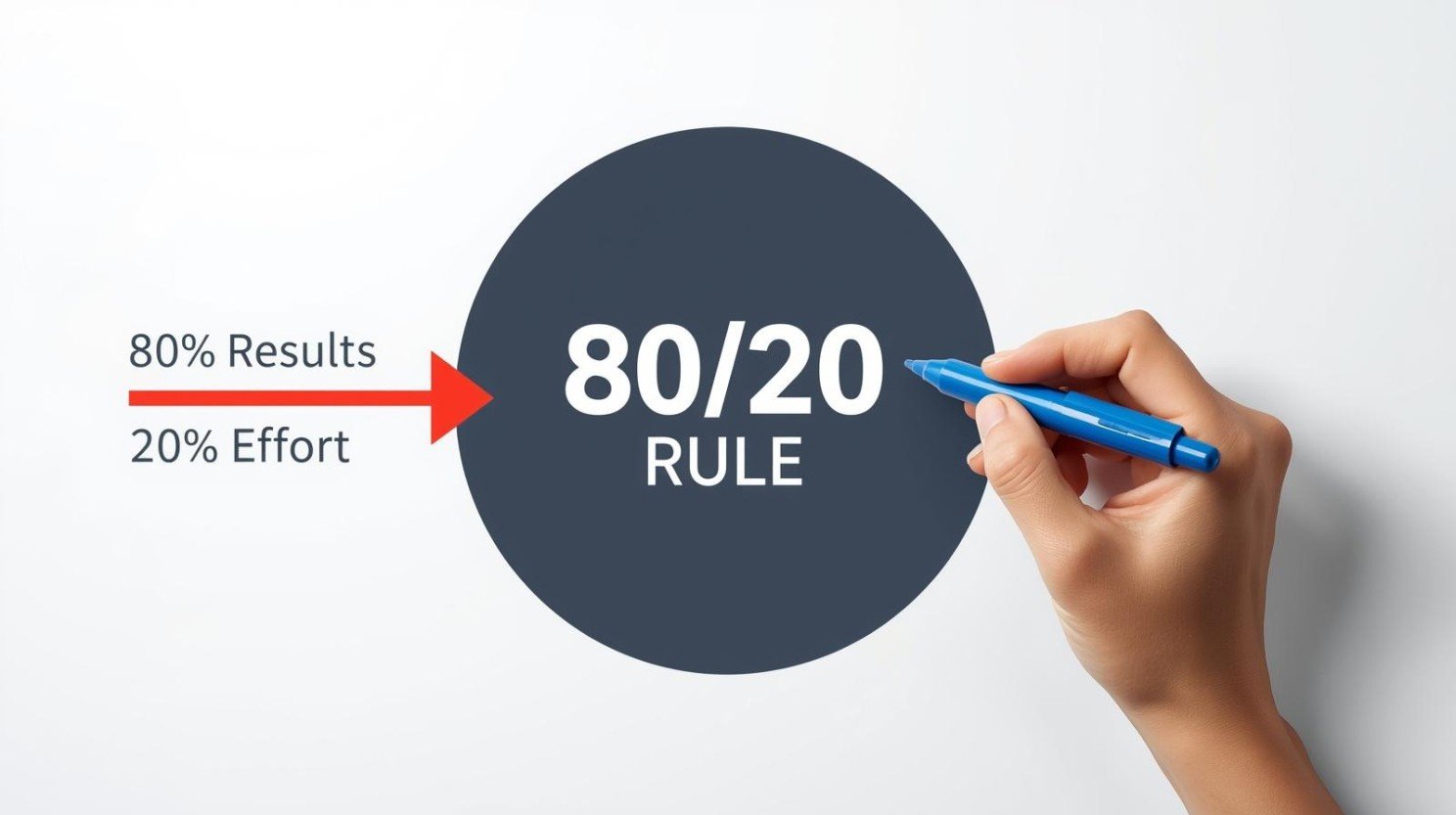
Effective social media marketing balances content types to maintain engagement. Follow the 80-20 rule: 80% of your posts should inform, entertain, or educate your audience, while only 20% directly promote your brand. This approach builds community and trust, avoiding the pitfalls of overly self-promotional content that turns audiences away.
4. Leverage Platform Strengths and Paid Advertising
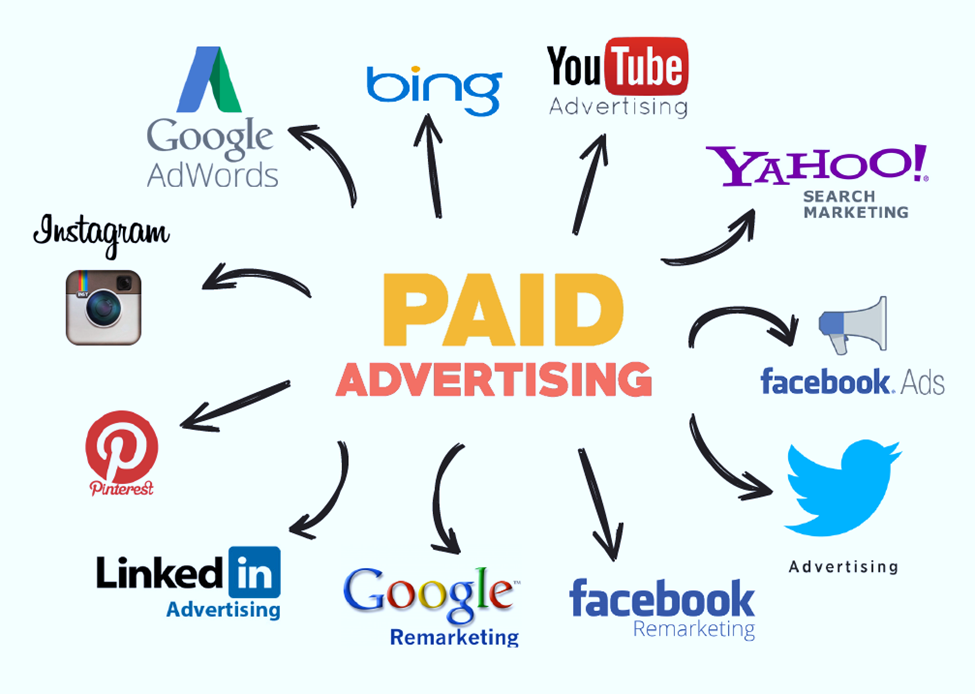
Different platforms serve different purposes. Facebook excels at community building and broad reach; Instagram is ideal for visual storytelling and engagement; LinkedIn is the hub for B2B thought leadership and brand authority. Boosting posts with targeted ads on platforms like Facebook, Instagram, and LinkedIn amplifies reach and accelerates growth. Allocate budget strategically, promoting at least weekly to maximize impact.

5. Harness AI, Social Listening, and Data Analytics
The integration of artificial intelligence and social listening tools is revolutionizing social media marketing. These technologies enable brands to monitor conversations, identify trends, and tailor content dynamically, ensuring relevance and agility. Data-driven insights help refine strategies, optimize campaigns, and measure performance, turning social media from a chaotic space into an intentional growth engine.
6. Prioritize Engagement and Community Building
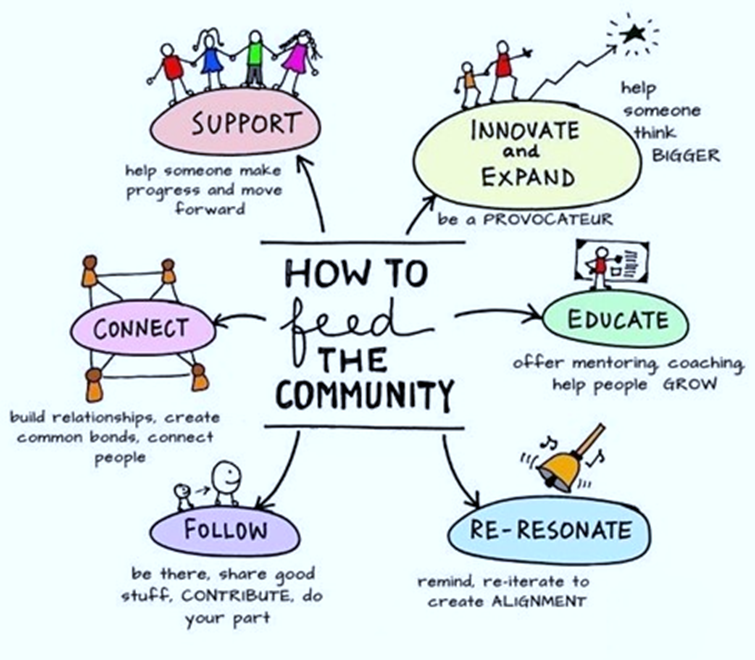
Social media is not a broadcast channel but a platform for two-way engagement. Respond to comments, encourage user-generated content, and create interactive experiences such as AMAs or tutorials. Building a loyal community strengthens brand credibility and drives long-term customer relationships.
7. Plan for Agility and Continuous Learning
Social media trends are evolving rapidly. Successful brands stay flexible, adapting to platform updates and emerging formats. Regularly review your strategy, experiment boldly, and use analytics to guide decisions. This informed agility is key to thriving in the ever-changing digital landscape.

Social media marketing for small businesses isn’t just about keeping up with digital trends—it’s about building sustainable systems that turn online interactions into offline revenue. When done strategically, social media becomes your most cost-effective marketing channel and your strongest competitive advantage.
The businesses that thrive in today’s digital landscape aren’t necessarily the biggest or the most established; they’re the ones that understand their customers deeply and use social media to build genuine relationships on a scale.
Social Media Marketing vs. Social Media Advertising
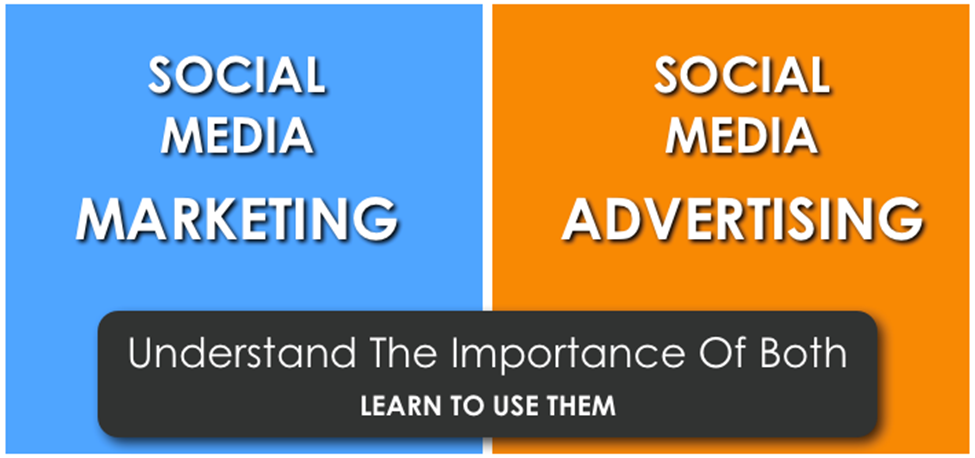
When we talk about the difference between marketing and advertising on social media, we’re making the distinction between paid and unpaid methods of marketing that are both using social media. Social media advertising refers to paid methods (like PPC ads), and social media marketing refers to unpaid methods (like your social media posts and shares).
Not all marketing is advertising, but all advertising is marketing. Advertising is a form of marketing.
So, which is better? Social Media Marketing vs. Social Media Advertising?
If you’ve read this far, you probably already know what we’re going to say:you need both social media marketing and social media advertising.
- Why social media marketing is important:It helps you build a community and foster relationships with current and potential customers—it’s a long game.
- Why social media advertising is important:It puts your name/products/services/links in front of people who are looking for what you offerright now.
Both advertising and marketing strategies can generate leads and sales. Using social media for both organic (unpaid) and paid methods of reaching your intended audience is, overall, the most effective use of the vast power of social media.
Got Big Growth Goals for Your Company? We’re Here for That!
When you use both advertising and marketing, you can optimize your results for the best possible outcome. Not sure you have the team to handle both advertising and marketing?Get in touchwith an experienced digital marketing agency—likeInventiv Studio!
Ready to transform your social media presence from random posts to strategic profit drivers? Our team specializes in helping small businesses create customized social media strategies that deliver measurable results. Let’s discuss how we can accelerate your growth through strategic social media marketing and advertising.
AtInventiv Studio,we specialize ininboundandoutbound marketingand would love to help grow your business. Whether you’re hoping to boost social engagement, increase your brand awareness, or generate new leads, we’re here to build a marketing campaign that meets those goals. We know all the best marketing channels to utilize for your brand and how to make content work for you.
Do you have more questions about how you can utilize marketing and advertising on social media?
The Inventiv Studio teamis here to help!Contact ustoday to get started.
#SocialMediaMarketing #DigitalMarketing #ContentStrategy #CreativeDisruption #SocialMediaTrends #BrandEngagement #AIinMarketing #SocialAdvertising #MarketingStrategy #BusinessGrowth #iStudio #Inventiv #Technology
