

Why Small and Medium Businesses Need SEO in 2025
Your Complete Guide to Digital Dominance
The digital landscape has fundamentally shifted. While your competitors are still figuring out social media algorithms, smart SMBs are quietly dominating search results and capturing customers at the exact moment they’re ready to buy.
The year 2025 marks a pivotal moment for small and medium businesses. With AI reshaping how people search, voice queries becoming mainstream, and local commerce experiencing unprecedented growth, SEO is no longer just a marketing tactic; it’s your business lifeline.
If you’re still on the fence about investing in SEO, this newsletter will change your mind. Let’s dive into why SEO should be your top priority this year and how to make it work for your business.
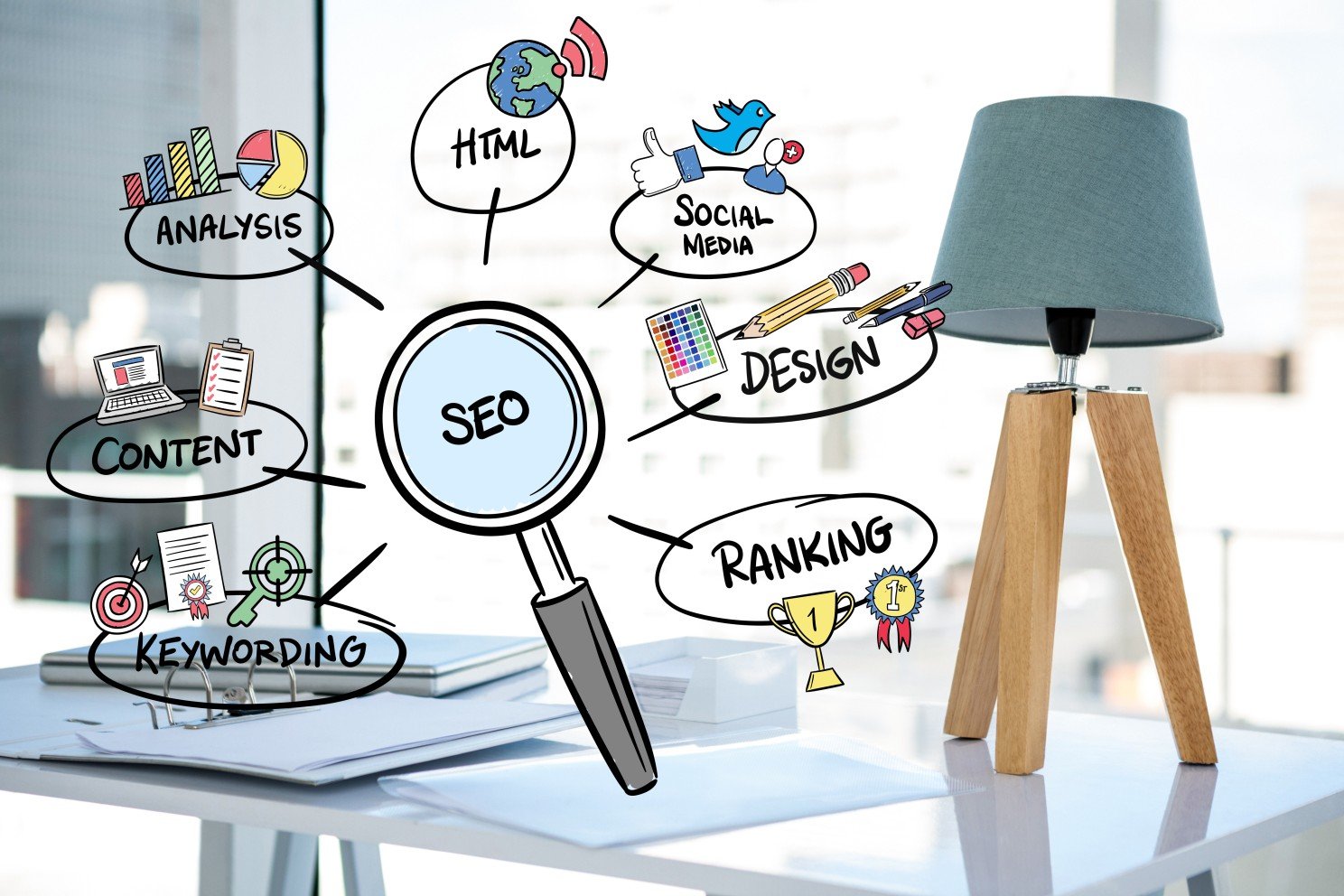
Understanding SEO
SEO is something many people know about but don’t fully understand. Inventiv Studio knows how it works because we’ve been doing it for many years. SEO is using different strategies like keywords, local keywords, Google My Business, and local directories to make your business’s digital presence more credible, reliable, and informational to Google. The result is that your business listing gets a higher ranking when people search, which means they see your business before your competitors. That is important because much business goes to those that a potential customer sees first.

Unlock 2025’s Search Potential: SEO Types & Traffic-Boosting Tactics
SEO isn’t a one-size-fits-all solution. Understanding the different types helps you allocate your resources effectively and choose the right strategy for your business goals.
The SEO landscape is evolving faster than ever. With AI reshapingSERPs(Search Engine Results Page, SERP is the page a user sees after they submit a search query to a search engine), zero-click searches dominating, and new platforms emerging, yesterday’s strategies won’t cut it. Here’s your actionable guide to thriving in 2025:
🔍 The Essential SEO Types
(Master these to future-proof your strategy.)
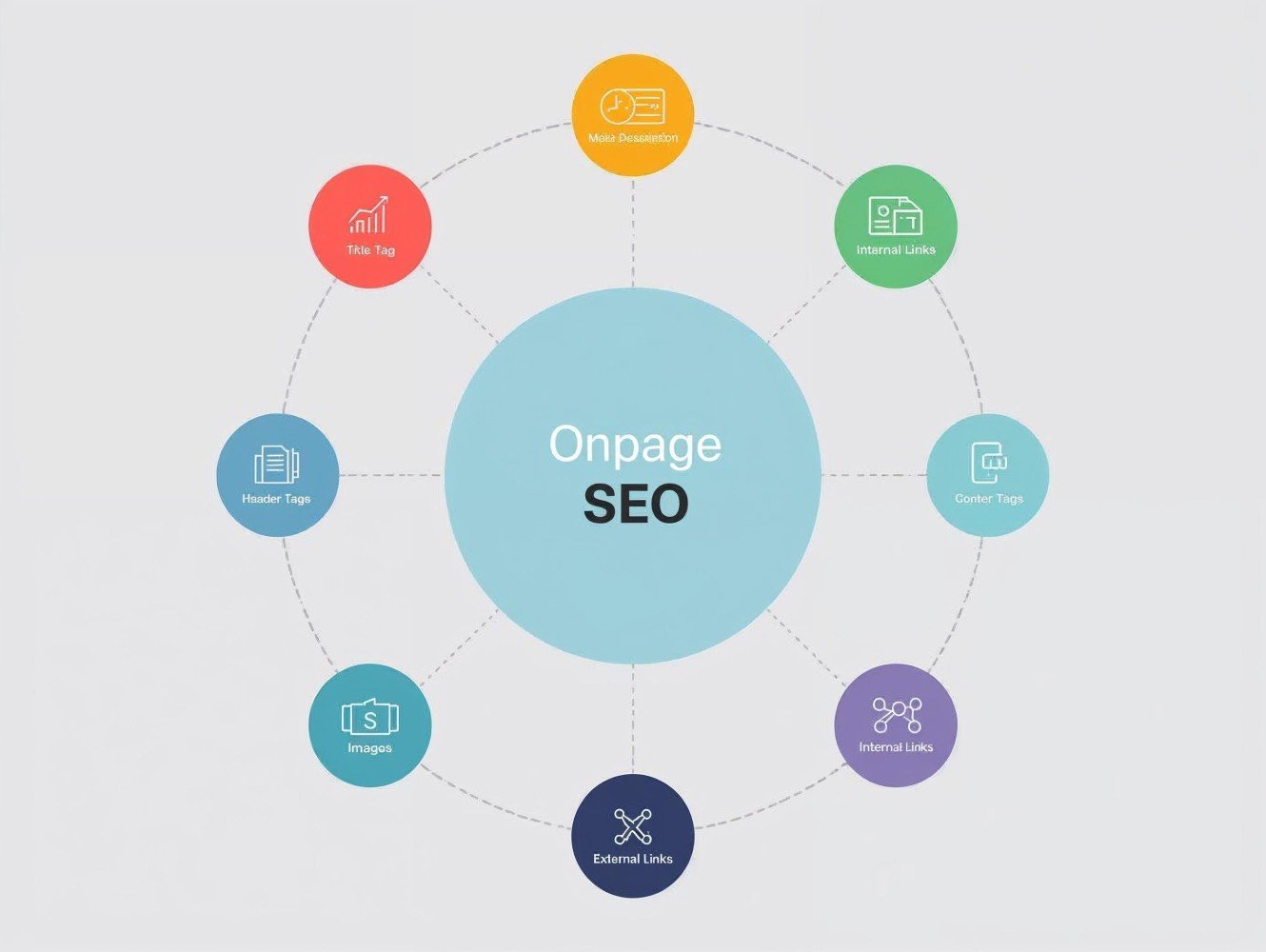
This is the foundation of your SEO strategy. On-page SEO involves optimizing individual web pages to rank higher and earn more relevant traffic. This includes optimizing your title tags, meta descriptions, headers, content quality, internal linking structure, and page loading speed. For SMBs, on-page SEO is often the most cost-effective starting point because you have complete control over these elements.
On-page SEO, also known as on-site SEO, refers to the practice of optimizing individual web pages to improve their search engine rankings and attract more organic traffic. It involves making changes directly to the content and HTML source code of a webpage, making it more relevant and appealing to both search engines and users.
Optimize content, meta tags, headers (H1-H3), URLs, and internal links.Example:Front-load keywords in titles, and structure content with clear hierarchies.
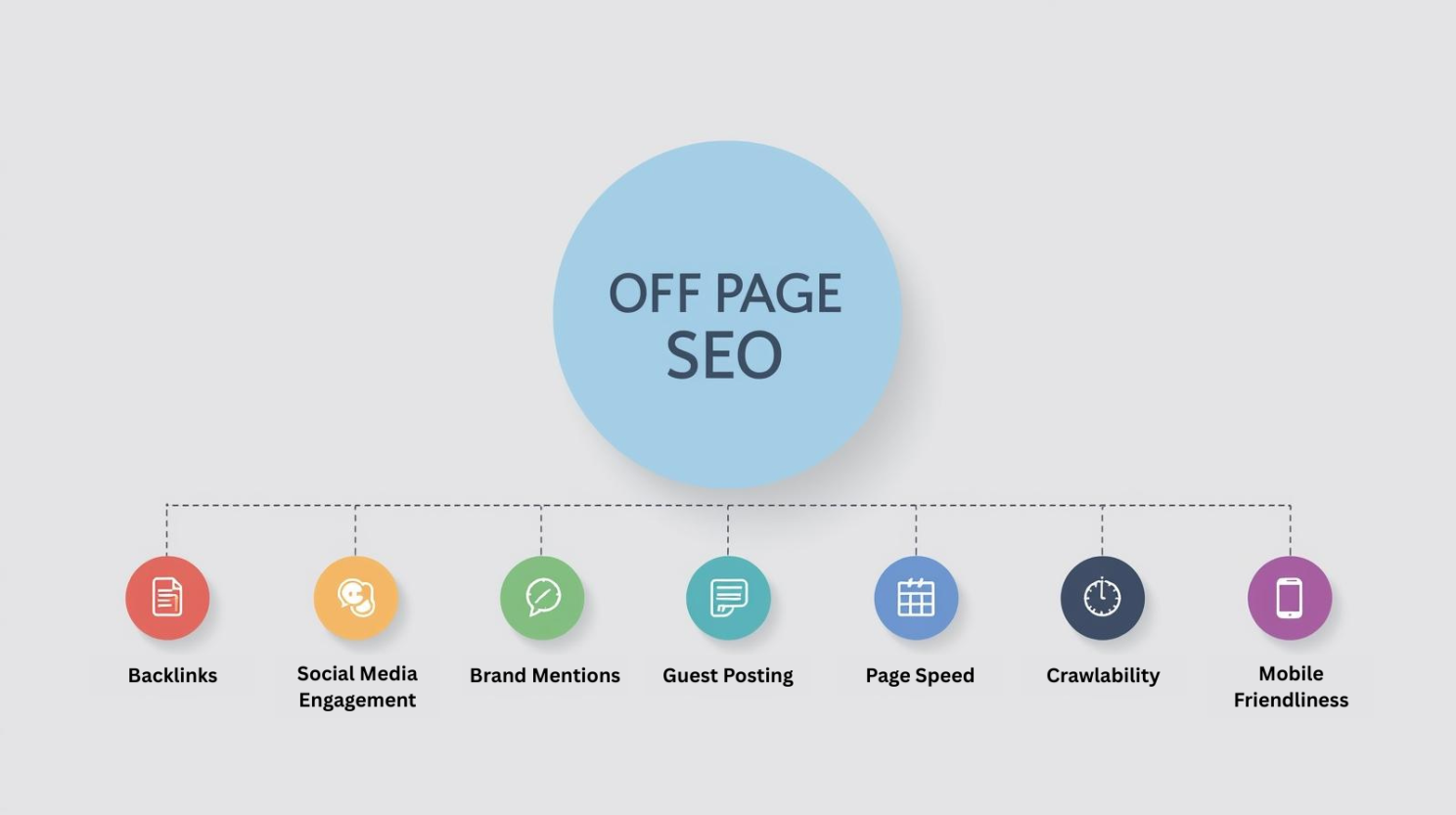
Off-page SEO focuses on activities outside your website that impact your rankings. The primary component is link building—earning high-quality backlinks from reputable websites in your industry. This also includes social media marketing, guest posting, influencer outreach, and brand mentions. While more challenging for SMBs to execute, off-page SEO signals to search engines that your business is trustworthy and authoritative.
Build authority via backlinks, guest blogging, and influencer collaborations.
Pro tip:Prioritize quality over quantity—Google rewards relevance.

Technical SEO ensures search engines can crawl, index, and understand your website effectively. This includes optimizing your site architecture, improving page speed, ensuring mobile responsiveness, implementing structured data markup, and fixing crawl errors. Many SMBs overlook technical SEO, but it’s crucial for competing with larger businesses that have well-optimized websites.
Fix crawl errors, boost site speed, implement structured data (schema), and ensure mobile-first indexing.Critical in 2025:Core Web Vitals (LCP, INP, CLS).
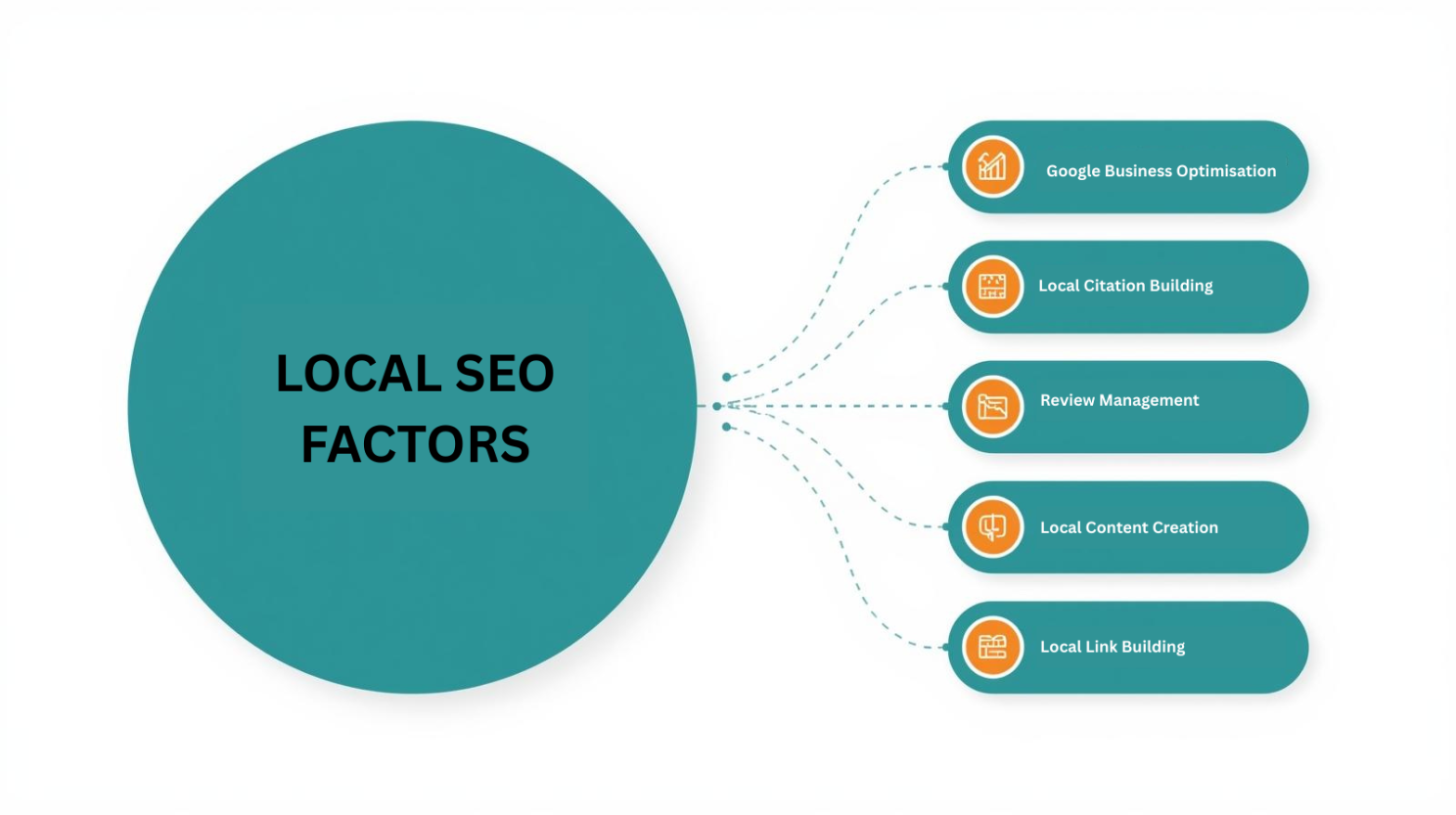
Local SEO (Search Engine Optimization) is the process of optimizing a business’s online presence to increase its visibility in local search results on platforms like Google Search and Maps. It focuses on attracting customers within a specific geographic area, making it essential for businesses with physical locations or those serving a particular region.
For brick-and-mortar businesses or service providers with geographic limitations, local SEO is game-changing. This involves optimizing your Google Business Profile, managing online reviews, ensuring NAP (Name, Address, Phone) consistency across directories, and creating location-specific content. Local SEO is particularly powerful for SMBs because it targets customers in your immediate area who are most likely to convert.
Optimize Google Business Profiles, manage NAP consistency, and gather reviews.
Game-changer:Use GBP Q&A to highlight promotions/USPs.

For online retailers, e-commerce SEO focuses on product page optimization, category page structure, user experience optimization, and technical elements specific to online stores. This includes optimizing product descriptions, implementing schema markup for products, managing duplicate content issues, and improving site navigation.
Unique product descriptions, schema markup, and transactional keywords.
Warning:Google is replacing category pages—focus on product-level optimization.

Voice search SEO focuses on optimizing website content to rank higher in voice search results, which differ from traditional text-based searches. It involves understanding how users phrase queries verbally and tailoring content to match those conversational patterns. This includes using long-tail keywords, addressing questions directly, and optimizing for featured snippets.
Target conversational keywords (e.g., “How do I clean a leather sofa?”) and FAQ-style content.Stats:60% of searches will be voice-activated.

SEO is the process of optimizing your webpage/content (in this case, your YouTube channel and videos) to get organic or unpaid traffic from the search engine results page.
Optimize YouTube titles/descriptions, add transcripts, and embed videos on-site.Trend:Short-form vertical videos dominate TikTok/Instagram Search.

Content SEO refers to the practice of optimizing website content to rank higher in search engine results pages (SERPs), driving organic traffic, and attracting potential customers. It involves creating content that is both valuable to users and optimized for search engine algorithms, focusing on relevant keywords, site structure, and high-quality writing.
Align content with user intent, refresh outdated posts quarterly, and use LSI keywords.
2025 shift:Prioritize depth over frequency.
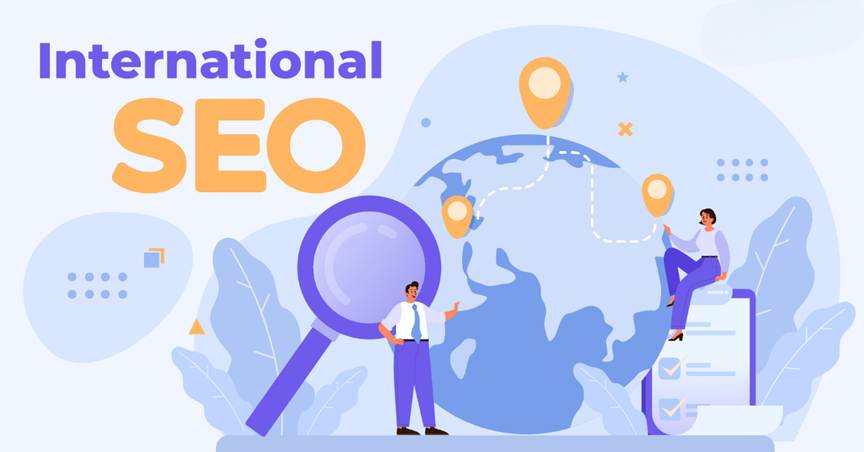
International SEO, also known as global SEO, is the practice of optimizing a website to rank higher in search engine results pages (SERPs) for users in different countries and languages. It involves tailoring your website’s content, structure, and technical elements to resonate with specific international audiences.
This includes using localized content, hreflang tags, and appropriate URL structures to help search engines understand which version of your site is most relevant for a particular user.
Implement hreflang tags, localize content, and use CDNs for regional speed.
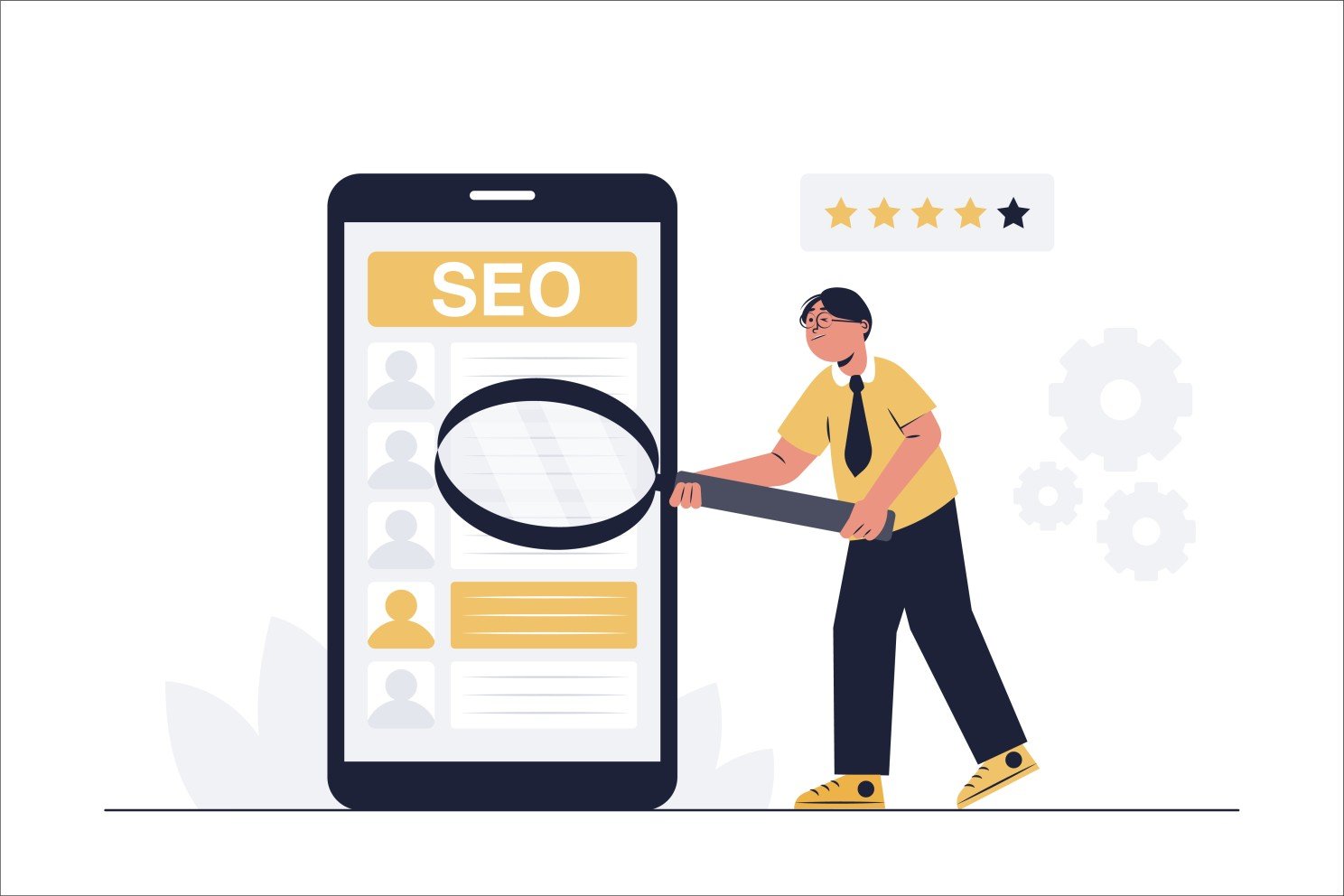
Mobile SEO (Search Engine Optimization) refers to the practice of optimizing a website to rank higher in search engine results pages (SERPs) specifically for mobile devices like smartphones and tablets. It focuses on improving a website’s visibility and user experience on smaller screens, considering factors like page speed, responsive design, and mobile content optimization.
Accelerated Mobile Pages (AMP), responsive design, and click-to-call buttons.
Non-negotiable:75% of searches start on mobile.
Answer Engine Optimization (AEO) is a strategy focused on optimizing content to be directly extracted and presented as answers by AI-powered search tools like voice assistants and chatbots, rather than simply ranking high in search results. Unlike traditional SEO, which focuses on driving traffic to websites, AEO prioritizes providing concise, accurate answers that satisfy user queries without requiring a click.
Optimize for ChatGPT/Perplexity with structured data, citations, and concise Q&A formats.
Opportunity:AI Overviews cite 11+ sources—only 20% overlap with top organic results.
Social SEO refers to optimizing your social media presence to improve your website’s visibility in search engine results and enhance your overall online presence. It involves applying SEO principles to social media platforms, such as using relevant keywords, engaging with your audience, and creating shareable content. While social media activity doesn’t directly impact Google’s ranking algorithms, it can influence your website’s SEO performance through increased traffic, engagement, and link building.
Leverage Reddit, Quora, and TikTok search.Example:Google’s August 2024 update quadrupled Reddit’s visibility.

Average ROI for Small Business SEO in 2025
The numbers don’t lie—SEO delivers exceptional returns for businesses that commit to it properly. Recent industry data reveals compelling insights about SEO performance for small and medium businesses.
According to recent studies, the average ROI for small business SEO ranges from 400% to 1,200% within the first year of consistent implementation. However, these numbers vary significantly based on industry, competition level, and execution quality. Service-based businesses typically see higher ROI percentages, while e-commerce businesses might see lower percentages, but higher absolute dollar returns.
Most SMBs begin seeing meaningful results within 4-6 months of implementing a comprehensive SEO strategy. However, significant traffic increases typically occur between months 6-12. The key is understanding that SEO is a compound investment—early months build the foundation, while later months deliver exponential returns.
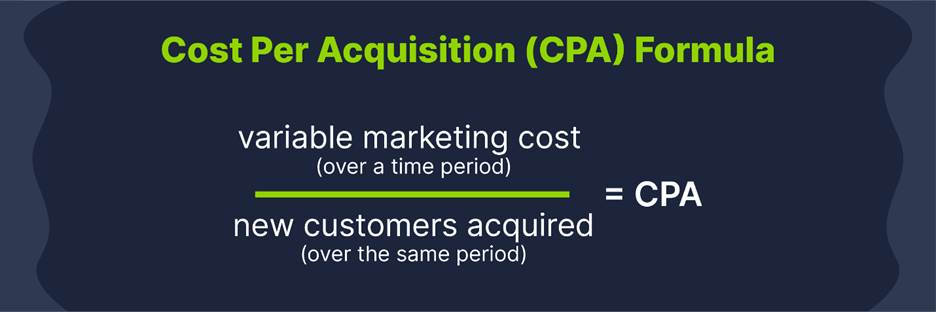
Cost Per Acquisition Comparison
SEO consistently delivers lower customer acquisition costs compared to paid advertising. While Google Ads might cost $50-200 per customer acquisition, depending on your industry, organic SEO traffic often converts at $5-25 per customer acquisition once your strategy matures. This dramatic difference in acquisition costs makes SEO particularly attractive for budget-conscious SMBs.
Unlike paid advertising that stops generating results the moment you stop paying, SEO continues delivering value for months or years after initial optimization. A well-optimized page can generate consistent traffic and leads for 2-3 years with minimal additional investment, making the long-term ROI even more compelling.
Businesses implementing comprehensive SEO strategies report that 25-40% of their new customer acquisitions can be directly attributed to organic search traffic. When you factor in the influence of SEO on brand awareness and indirect conversions, the true impact is often much higher.
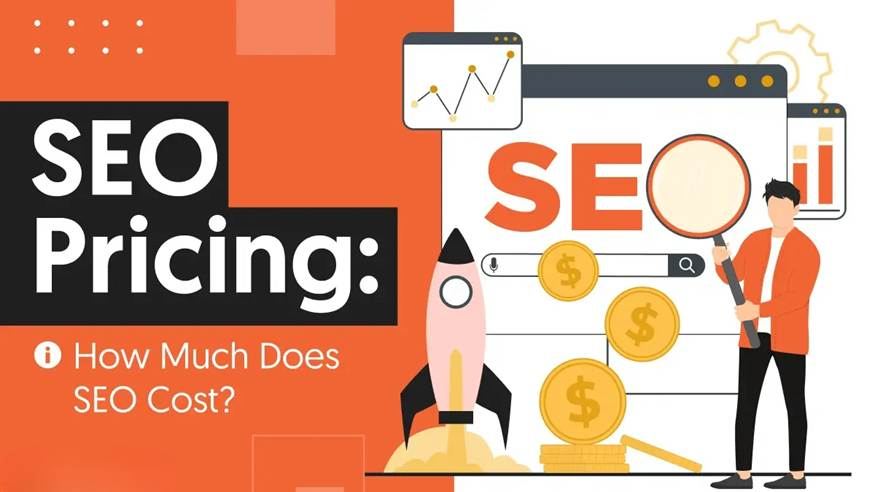
The Real Cost of SEO for Small Businesses
Understanding SEO costs helps you budget appropriately and avoid common pitfalls that can drain your resources without delivering results.
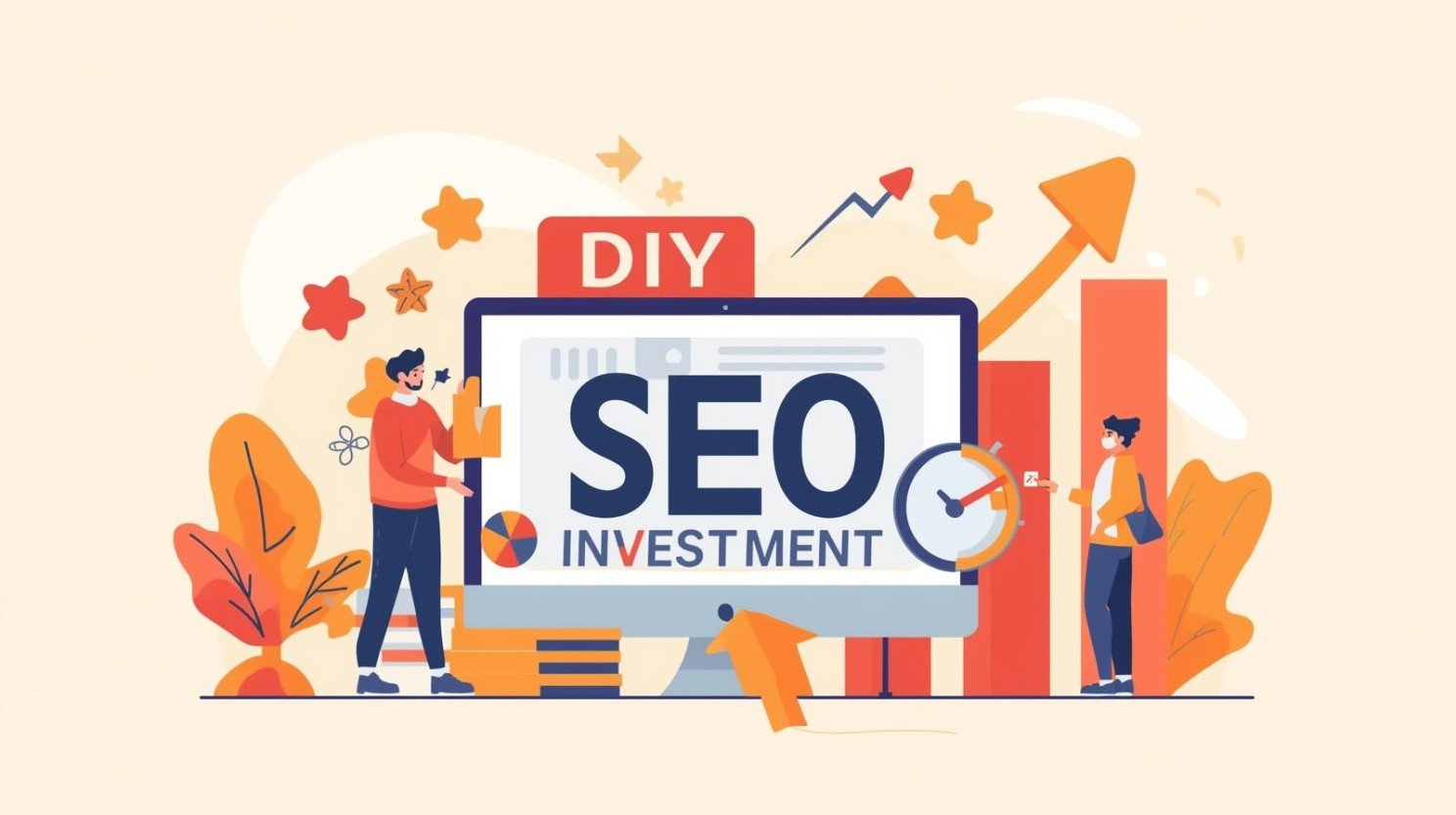
For bootstrapped businesses, DIY SEO is possible but requires significant time investment. Expect to spend 10-15 hours per week learning and implementing SEO strategies. Your primary costs will be SEO tools (ranging from $100-500 monthly for comprehensive toolsets), content creation, and your time opportunity cost. While this approach saves money upfront, it often takes longer to see results due to the learning curve.
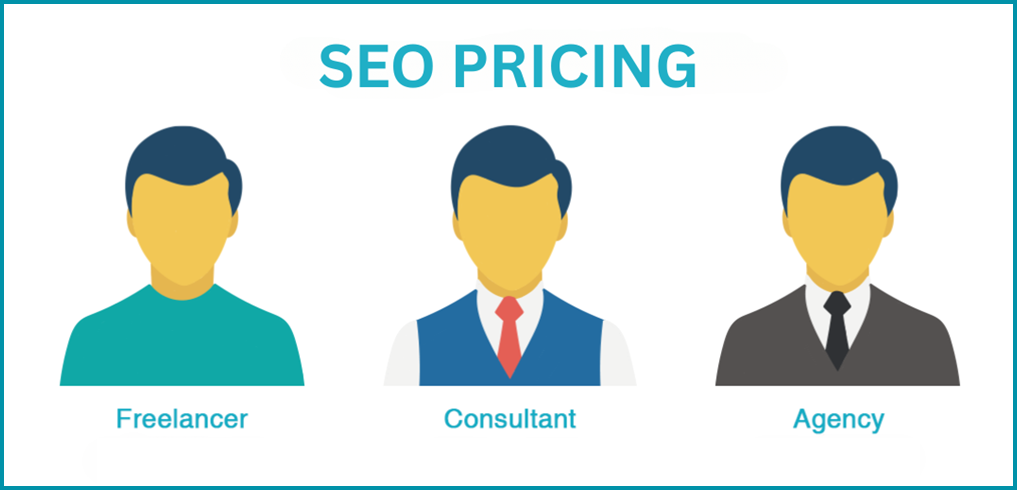
Freelancer and Consultant Costs
Hiring experienced SEO freelancers typically costs between $75-200 per hour, with most small business projects requiring 20-40 hours monthly. Monthly retainers usually range from $1,500-6,000, depending on the scope of work and consultant expertise. This option provides professional expertise while remaining more affordable than agency services.
SEO agencies serving small businesses typically charge $2,500-10,000 monthly for comprehensive services. While more expensive, agencies provide full-service solutions including strategy development, content creation, technical optimization, and ongoing monitoring. The higher cost often delivers faster results and frees up your time to focus on core business operations.

Professional SEO requires various tools for keyword research, rank tracking, technical audits, and competitor analysis. Budget-friendly options like Ubersuggest or Mangools cost $30-100 monthly, while enterprise-level tools like Ahrefs or SEMrush cost $100-400 monthly. Many businesses find that investing in quality tools pays for itself through improved efficiency and better results.

Quality content remains central to SEO success. Professional content creation costs $100-500 per blog post depending on length, research requirements, and writer expertise. Many successful SMBs invest $1,000-3,000 monthly in content creation to maintain consistent publishing schedules and cover comprehensive topic clusters.

Hidden Costs and Considerations
Don’t forget about website improvements that support SEO success. This might include website redesigns for better user experience, hosting upgrades for improved page speed, or technical fixes to resolve crawling issues. Budget an additional 20-30% of your SEO investment for these supporting improvements.

Top SEO Techniques to Increase Traffic
The SEO landscape in 2025 rewards businesses that focus on user experience, authentic expertise, and strategic optimization. Here are the most effective techniques for driving traffic growth.

Instead of creating isolated blog posts, develop comprehensive content clusters around main topics relevant to your business. Create a pillar page covering a broad topic, then develop 8-12 supporting articles diving deeper into specific subtopics. This approach demonstrates topical authority to search engines and provides comprehensive value to your audience.
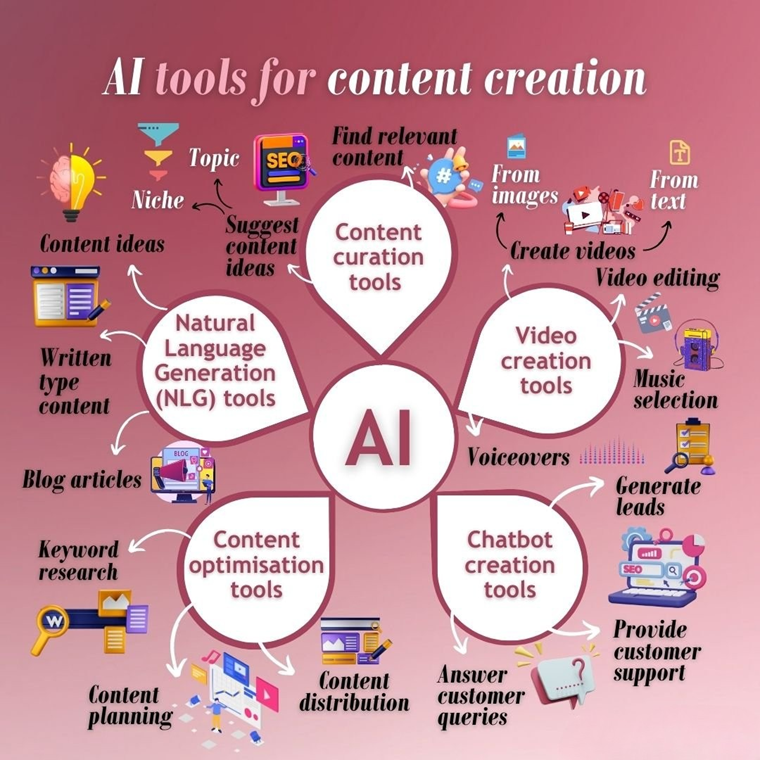
With AI detection becoming more sophisticated, focus on creating content that demonstrates genuine expertise and personal experience. Use AI tools for research and ideation, but ensure your content includes unique insights, case studies, and personal perspectives that only your business can provide. Search engines increasingly reward content that shows clear expertise, authoritativeness, and trustworthiness.

Voice searches account for an increasing percentage of total queries, particularly for local businesses. Optimize for conversational keywords and natural language patterns. Create FAQ sections that answer common questions in the way people actually speak, and focus on featured snippet optimization since voice assistants often read these results aloud.
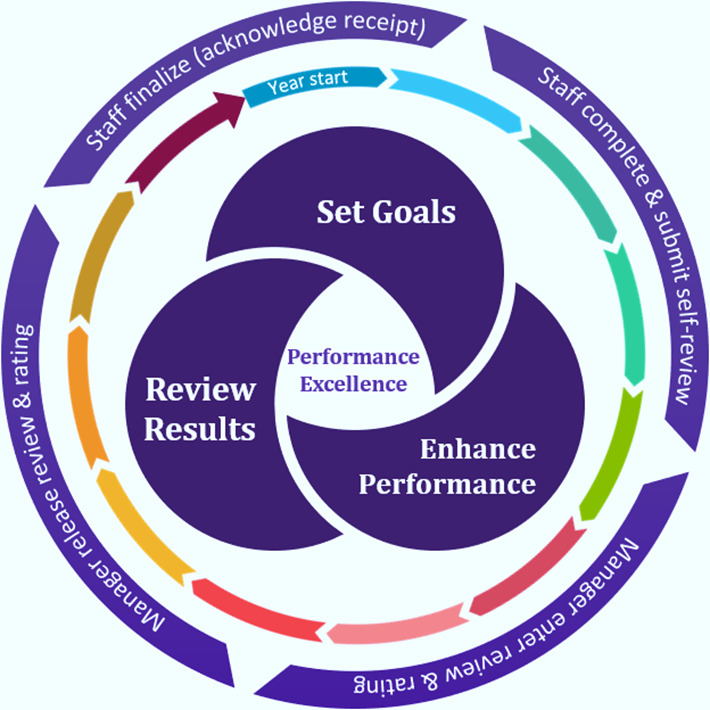
Technical Performance Excellence
Page speed and user experience significantly impact rankings in 2025. Implement Core Web Vitals optimization, ensure mobile-first design, and eliminate technical barriers that prevent search engines from understanding your content. Use tools like Page Speed Insights and Search Console to identify and fix performance issues regularly.
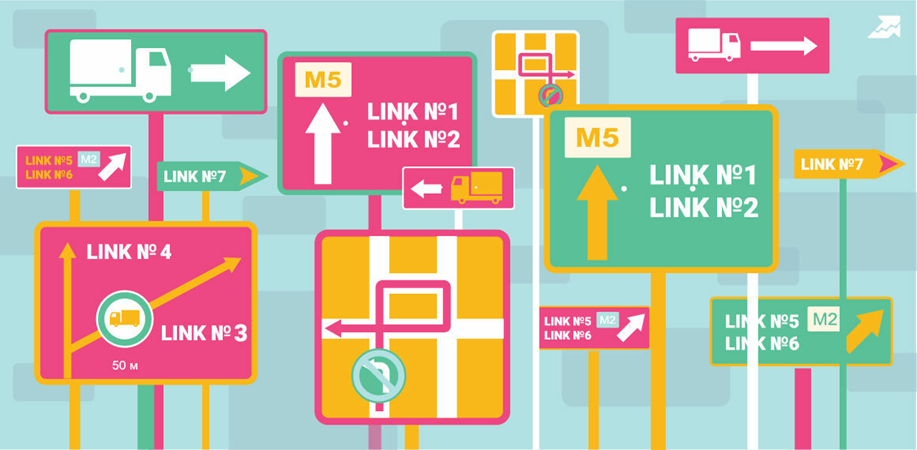
Develop a logical internal linking structure that helps search engines understand your content hierarchy and passes authority between related pages. Create topic-based silos where related content links to each other and use descriptive anchor text that provides context about the linked page’s content.

Search engines increasingly prioritize websites that provide excellent user experiences. Focus on intuitive navigation, fast loading times, mobile responsiveness, and clear calls-to-action. Monitor user behavior metrics like bounce rate, time on page, and pages per session to identify areas for improvement.
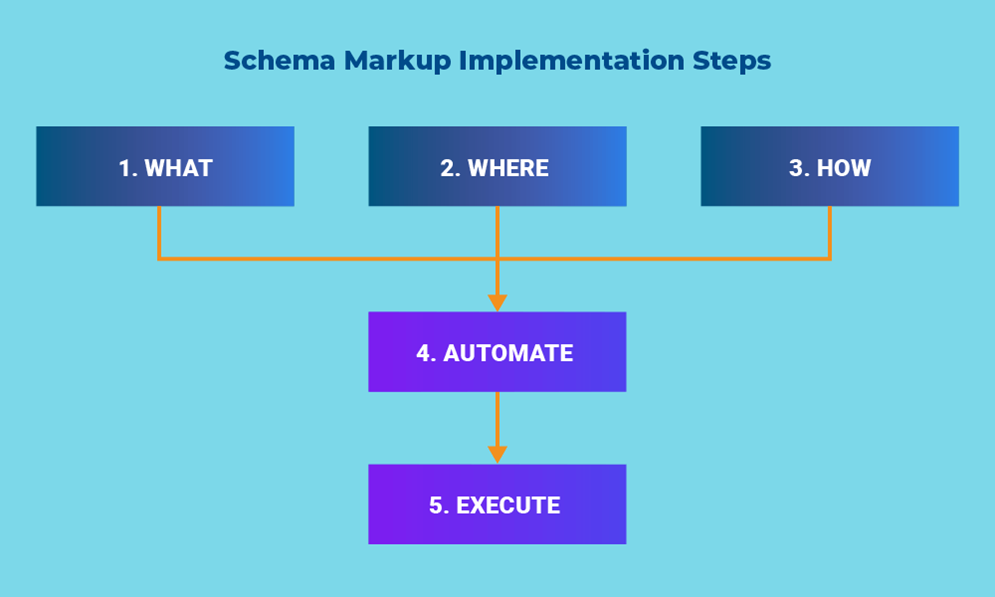
Structured data helps search engines understand your content better and can result in rich snippets that increase click-through rates. Implement relevant schema markup for your business type, products, reviews, events, and FAQ sections. This technical enhancement often provides quick wins for improved search visibility.
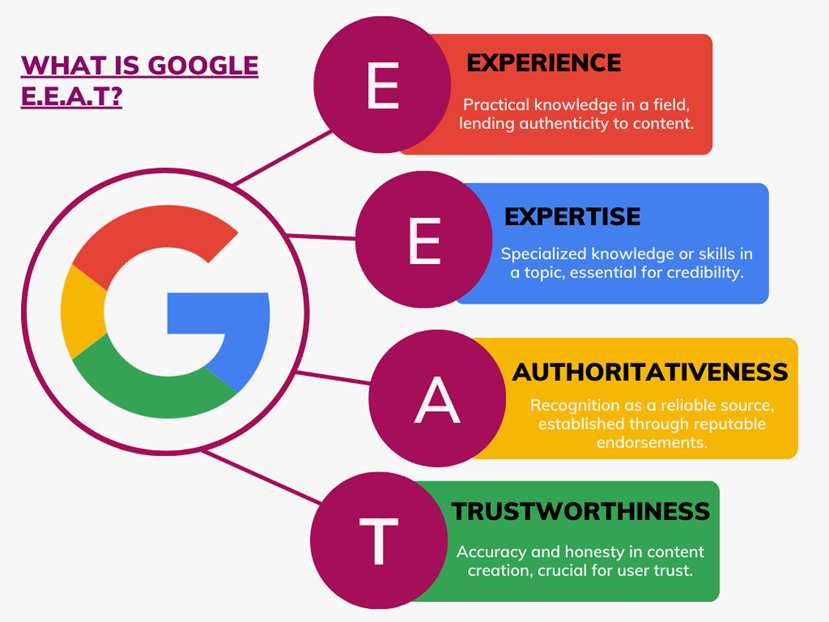
E-E-A-T, which stands for Experience, Expertise, Authoritativeness, and Trustworthiness, is a framework used by Google’s Search Quality Raters to assess the quality and credibility of online content. It’s a crucial aspect of evaluating web pages, especially for “Your Money or Your Life” (YMYL) topics, where accuracy and reliability are paramount. While not a direct ranking factor, E-E-A-T significantly influences how Google perceives and ranks websites.
Expertise, authoritativeness, and trustworthiness remain crucial ranking factors. Create detailed author bios, showcase credentials and certifications, gather authentic customer reviews, and earn mentions from reputable industry sources. These signals become particularly important for businesses in competitive industries.
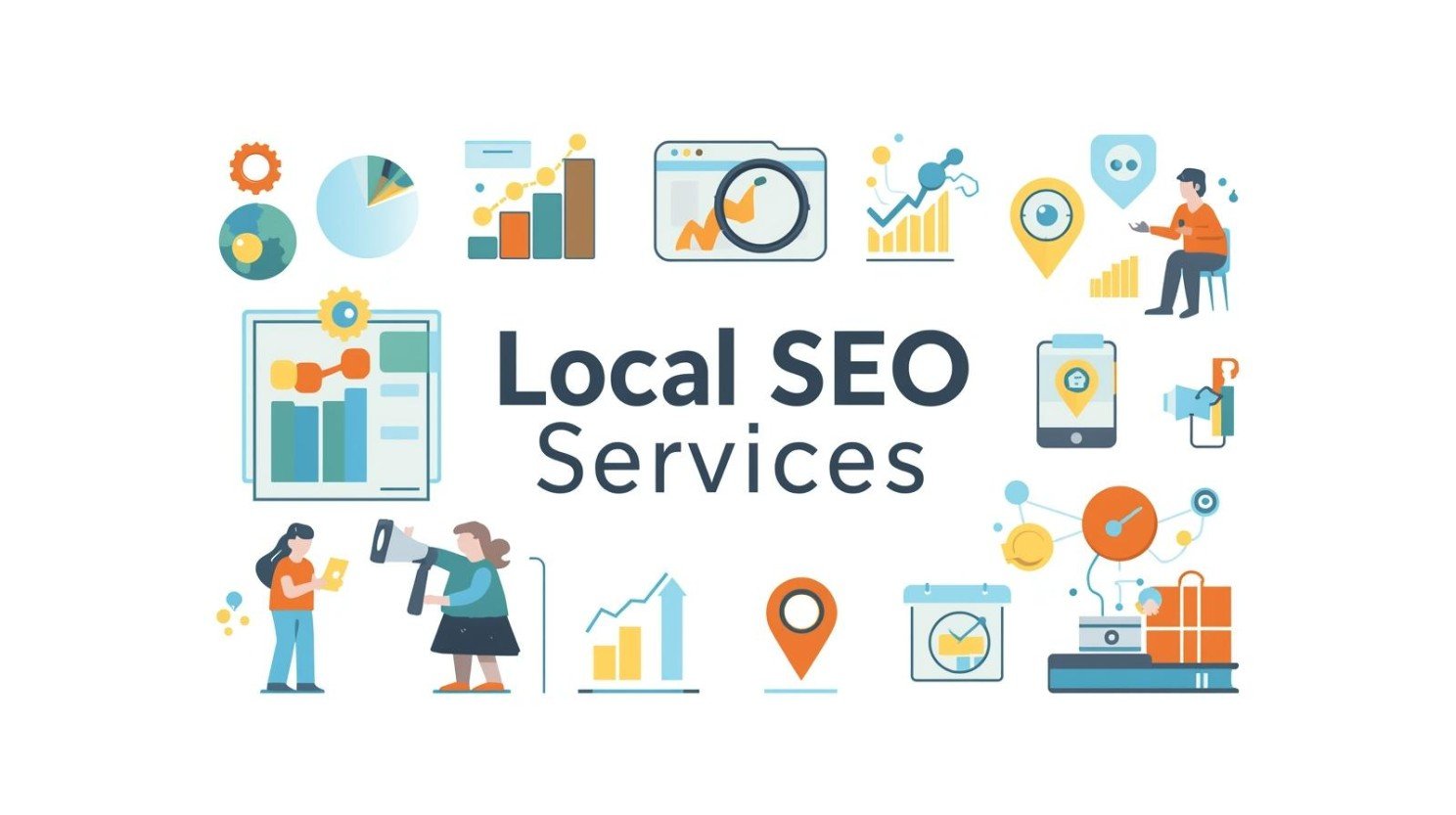
How Local SEO Can Boost Foot Traffic to Your Business
For businesses with physical locations or service areas, local SEO represents one of the highest-impact marketing investments available. The connection between local search visibility and foot traffic is direct and measurable.
Google Business Profile Optimization
Your Google Business Profile serves as your digital storefront for local customers. Ensure your profile is 100% complete with accurate business information, high-quality photos, regular posts, and prompt responses to customer questions. Businesses with optimized profiles receive 2x more location visits and website clicks compared to incomplete profiles.
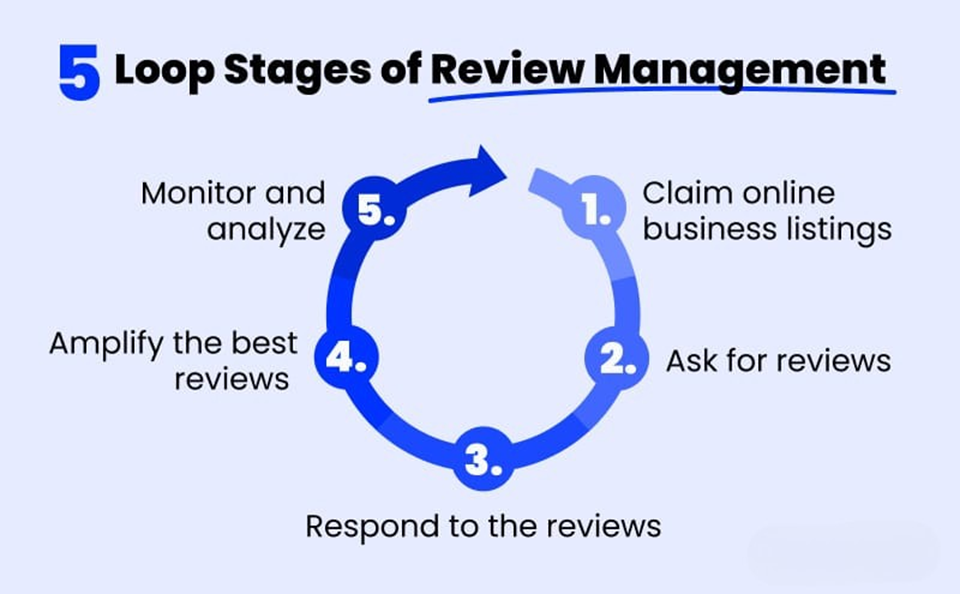
Online reviews significantly influence both search rankings and customer decisions. Develop a systematic approach to earning authentic reviews from satisfied customers. Respond professionally to all reviews, both positive and negative, to demonstrate excellent customer service. Businesses with 4+ star ratings and regular review activity see substantial increases in foot traffic and phone calls.

Local keyword targeting is the practice of optimizing online content to attract users searching for products or services in a specific geographic area. It involves identifying and using location-based keywords in website content, online listings, and other digital assets to improve visibility in local search results. This strategy helps businesses reach potential customers actively looking for what they offer within their local area.
Research and target keywords that include your city, neighborhood, or service area combined with your main services or products. We create dedicated pages for each location you serve and develop content that addresses local customer needs and interests. This geographic specificity helps you compete effectively against larger businesses without a local focus.

Citation Building and Consistency
Ensure your business name, address, and phone number are consistent across all online directories, social media profiles, and your website. Inconsistent information confuses search engines and potential customers. Build citations on relevant local directories, industry-specific platforms, and major data aggregators that feed information to search engines.
Create content that demonstrates your connection to the local community. Write about local events, partner with other local businesses, sponsor community activities, and address local issues or interests. This approach builds local authority and creates natural opportunities for earning local backlinks and social shares.
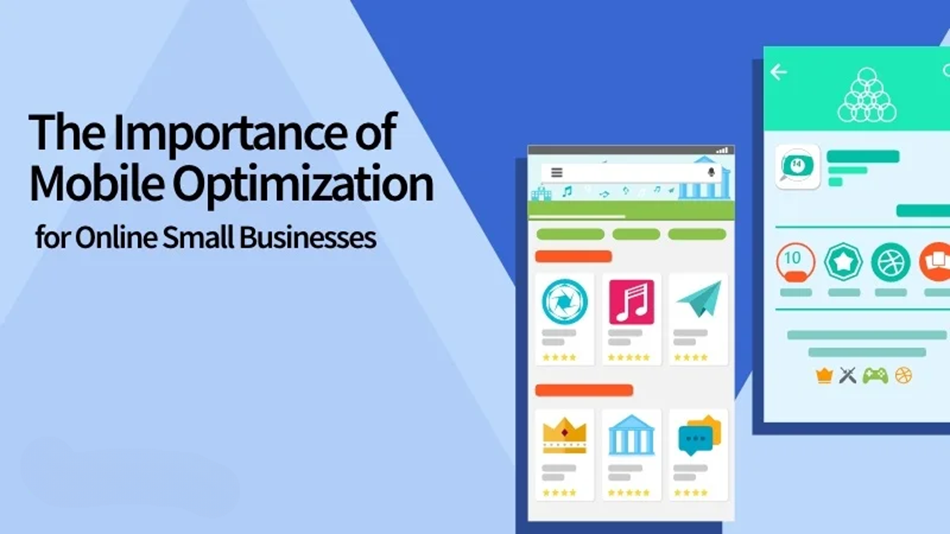
In today’s digital landscape, mobile devices have become the primary means of accessing the internet. With the increasing number of people using smartphones and tablets to browse the web, it has become crucial for businesses to prioritize mobile optimization in their SEO strategies. Mobile optimization refers to the process of ensuring that a website is well-suited for mobile devices, providing an optimal user experience for mobile users.
Local searches predominantly happen on mobile devices, often when customers are actively looking for nearby businesses. Ensure your website loads quickly on mobile devices, provides clear contact information and directions, and makes it easy for customers to call or visit your location directly from search results.
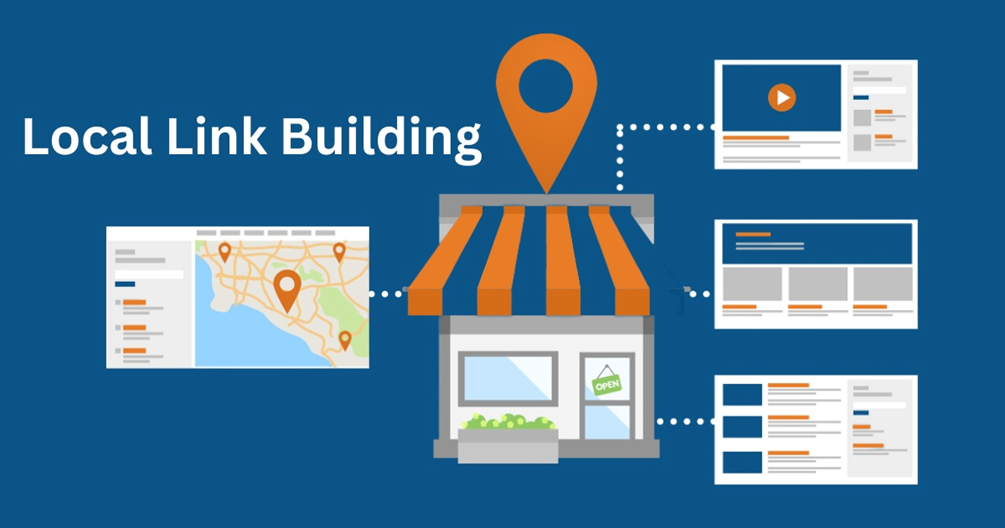
Earn backlinks from other reputable local businesses, community organizations, local news outlets, and industry associations in your area. These local authority signals strengthen your overall local SEO performance and often result in direct referral traffic as well.
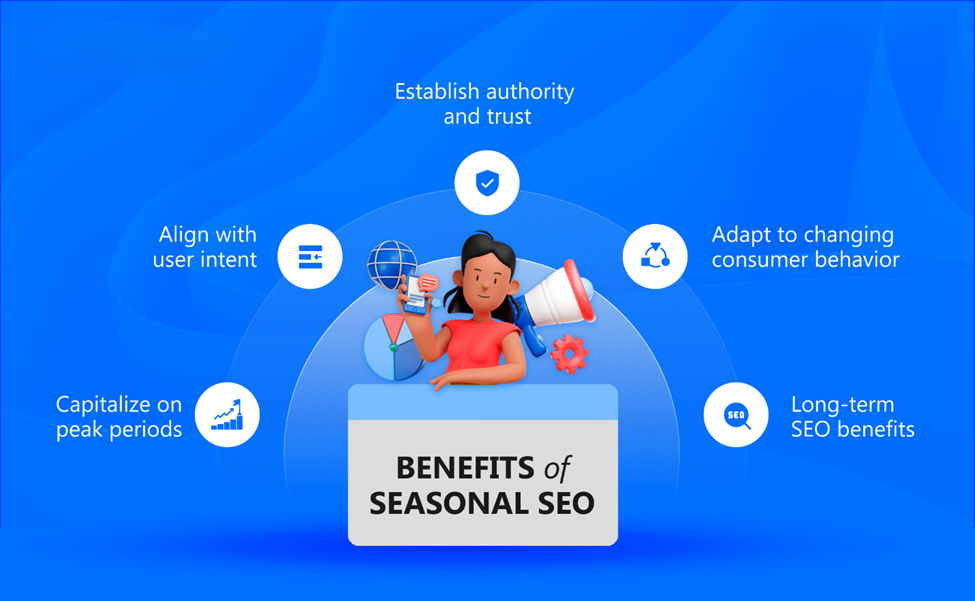
Seasonal and Event-Based Optimization
Align your local SEO efforts with seasonal trends, local events, and community activities relevant to your business. Create timely content around local festivals, seasonal services, or community involvement to capture traffic from people searching for current local information.
Your Next Steps: Making SEO Work for Your Business
The evidence is clear: SMBs that invest in SEO in 2025 will have significant competitive advantages over those that don’t. Start with local SEO and on-page optimization if you’re new to SEO, as these provide the fastest returns. Focus on creating genuinely helpful content for your customers and be patient as your investment compounds over time.
Remember, SEO success comes from consistent effort rather than perfect execution. Start with one or two techniques, master them, then gradually expand your efforts as you see results and build confidence.
The businesses dominating search results in your industry didn’t get there overnight, but they did get there by starting. Your customers are searching for solutions you provide right now—make sure they can find you.

Ready To Grow Your Business? Let’s Build Something Incredible Together!
AtInventiv Studio,we know that climbing the search rankings isn’t just about algorithms — it’s about building real connections with your customers. That’s why we combine proven SEO strategies with smart data insights to help your business show up, stand out, and succeed online.
As one of Globe’s most trusted SEO companies, we’ve spent years helping businesses just like yours grow their reach and turn clicks into customers. Whether you’re aiming to rank higher on Google, drive more traffic, or finally get the visibility your brand deserves, we’re here to make it happen.
With 95% of people never clicking past the first page of search results, a strong SEO strategy isn’t optional — it’s essential. And it’s why so many businesses across the globe chooseInventiv Studioas their local SEO partner.
If you’re ready to stop blending in and start getting noticed, our team is ready to help you take the next step.
What’s been your biggest SEO challenge as a small business owner? Share your experiences in the comments below, and let’s discuss strategies that have worked for your industry.
Hashtags#SEO2025 #DigitalMarketing #SearchEngineOptimization #AISEO #ContentStrategy #SEOExperts #MarketingTrends #OrganicTraffic #SEOStrategy #GrowthHacking #SmallBusiness #SEO #LocalSEO #BusinessGrowth #Marketing2025
Like this? ♻️Share to empower your network!
